
On this page9 sections
Understanding how to use similes to describe shyness is a valuable skill in English, enhancing your ability to paint vivid pictures with words.
Definition of Similes for Shy
A simile is a figure of speech that directly compares two unlike things using “like” or “as.” Similes are used to create a vivid and relatable image in the reader’s mind. When describing shyness, similes can help to illustrate the quietness, hesitancy, and social discomfort associated with the trait. By comparing a shy person to something else that embodies similar qualities, we can deepen the reader’s understanding and create a more impactful description.
The function of a simile is to enhance descriptive writing by adding color and depth. In the context of shyness, similes can be particularly effective in conveying the internal experience of a shy person, which might not be immediately obvious to an observer. They allow us to articulate the feeling of being withdrawn or self-conscious in a way that resonates with the audience.
Similes are appropriate in a wide range of contexts, from creative writing and poetry to everyday conversation. In literature, similes can be used to develop character and set the tone. In casual speech, they can add humor or emphasis. Understanding how to use similes effectively is a valuable skill for anyone who wants to communicate more clearly and creatively.
Structural Breakdown of Similes
The basic structure of a simile consists of three key elements:
- The Subject: This is the person or thing being described (in our case, a shy person).
- The Connecting Word: This is either “like” or “as,” which establishes the comparison.
- The Object of Comparison: This is the thing to which the subject is being compared, chosen for its shared quality with the subject.
The formula can be represented as: Subject + Like/As + Object of Comparison.
For example, in the simile “She was as quiet as a mouse,” the subject is “she,” the connecting word is “as,” and the object of comparison is “a mouse.” The shared quality is quietness.
Understanding this structure is crucial for creating effective similes. It allows you to consciously choose the object of comparison that best captures the specific aspect of shyness you want to emphasize. The more apt and imaginative the comparison, the more impactful the simile will be.
Types of Similes for Shy
Similes for shy can be categorized based on the type of object used for comparison. Here are some common categories:
Animal Similes
Using animals known for their timidity or elusiveness to describe shyness.
Nature Similes
Employing natural elements that evoke feelings of fragility or concealment.
Object Similes
Comparing a shy person to inanimate objects associated with stillness or invisibility.
Abstract Similes
Using abstract concepts to convey the intangible qualities of shyness.
Food Similes
Comparing a shy person to food items known for their blandness or hidden presence.
Examples of Similes for Shy
Here are various examples of similes used to describe shyness, categorized for clarity.
Animal Similes for Shy
Animals often embody traits of shyness or timidity. Comparing a shy person to such animals can effectively convey their reserved nature. The following table provides multiple examples.
| Simile | Explanation |
|---|---|
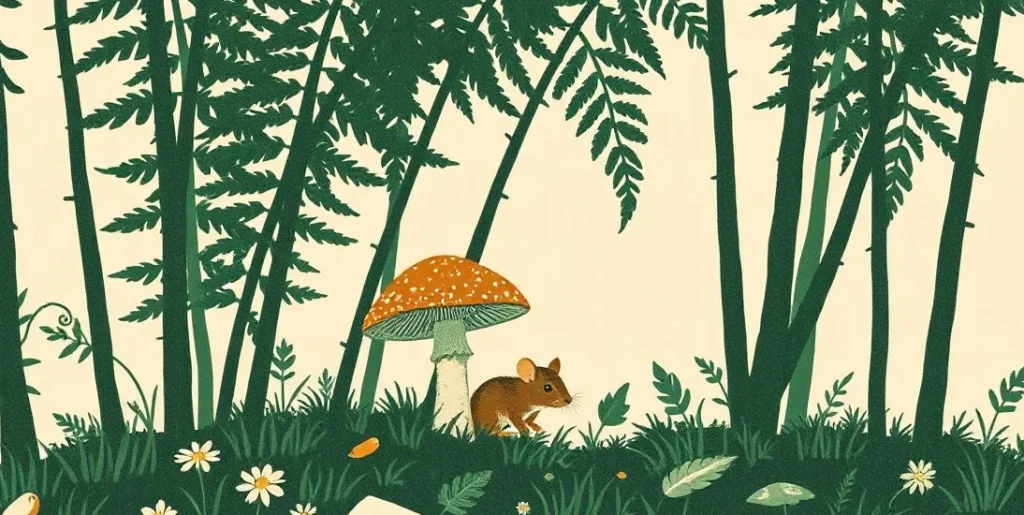
| As timid as a mouse | Highlights the quiet and easily frightened nature of a shy person. |
| Like a deer caught in headlights | Emphasizes the frozen, startled reaction of someone overwhelmed by attention. |
| As shy as a violet | Implies a delicate and hidden beauty, reluctant to be noticed. |
| Like a hermit crab in its shell | Illustrates the desire to retreat and protect oneself from the outside world. |
| As quiet as a lamb | Conveys a gentle and non-assertive demeanor. |
| Like a scared kitten | Suggests vulnerability and a need for reassurance. |
| As elusive as a butterfly | Implies difficulty in engaging or capturing attention. |
| Like an owl in daylight | Highlights discomfort and unease in a social setting. |
| As withdrawn as a snail | Illustrates the tendency to retreat into oneself. |
| Like a chameleon hiding | Suggests the ability to blend in and avoid attention. |
| As hesitant as a newborn foal | Conveys a sense of uncertainty and lack of confidence. |
| Like a field mouse scurrying for cover | Emphasizes the need to escape attention or potential social interaction. |
| As wary as a wild rabbit | Implies a constant state of alertness and apprehension. |
| Like a peacock hiding its feathers | Suggests a reluctance to display one’s true potential or beauty. |
| As silent as a sleeping dormouse | Conveys extreme quietness and inactivity in social situations. |
| Like a groundhog avoiding its shadow | Illustrates a desire to avoid attention and potential embarrassment. |
| As skittish as a young colt | Emphasizes nervousness and a tendency to be easily startled. |
| Like a spider retreating into its web | Suggests a desire to withdraw into a safe and familiar space. |
| As reclusive as a badger | Implies a preference for solitude and avoidance of social interaction. |
| Like a turtle pulling into its shell | Illustrates the act of withdrawing from the outside world for self-protection. |
| As inconspicuous as an ant | Conveys a desire to remain unnoticed and blend into the background. |
| Like a moth fluttering in the shadows | Suggests a preference for being on the periphery, avoiding direct attention. |
| As reserved as a cat | Implies a sense of independence and a reluctance to show vulnerability. |
| Like a timid bird hiding in its nest | Illustrates the need for safety and security, away from potential threats. |
Nature Similes for Shy
The natural world provides many metaphors for shyness, reflecting the delicate and often hidden aspects of this trait. Consider the following examples:
| Simile | Explanation |
|---|---|
| As quiet as a forest floor | Highlights the stillness and lack of noise associated with shyness. |
| Like a wilting flower | Emphasizes the fragility and vulnerability of a shy person in social situations. |
| As hidden as a valley | Implies a desire to remain unseen and secluded. |
| Like a shadow in the sunlight | Illustrates the tendency to fade into the background. |
| As fragile as a snowflake | Conveys a sense of delicacy and sensitivity. |
| Like a seed buried deep in the earth | Suggests potential that is waiting to emerge. |
| As still as a pond | Implies a lack of outward expression or emotion. |
| Like a leaf trembling in the wind | Highlights nervousness and unease. |
| As muted as the colors of twilight | Conveys a sense of understated presence. |
| Like a small stream hidden by trees | Illustrates the tendency to avoid the spotlight. |
| As delicate as morning dew | Emphasizes the fleeting and easily disturbed nature of a shy person’s comfort. |
| Like a shy sunbeam peeking through clouds | Suggests a hesitant and gentle approach to social interaction. |
| As unobtrusive as moss on a stone | Implies a desire to blend in and avoid drawing attention. |
| Like a quiet breeze barely rustling the leaves | Conveys a subtle and gentle presence. |
| As withdrawn as a tide going out | Illustrates the act of retreating from social engagement. |
| Like a hidden spring deep in the woods | Suggests a source of untapped potential and quiet strength. |
| As still as a mountain lake | Implies a calm and introspective nature. |
| Like a wildflower hidden amongst the grass | Emphasizes a beauty that is easily overlooked. |
| As subtle as the scent of rain on dry earth | Conveys a quiet and understated impact. |
| Like a secluded cove sheltered from the storm | Illustrates the need for a safe and protected space. |
| As silent as snowfall | Highlights the quiet and peaceful nature of someone shy. |
| Like a fragile seedling struggling to grow | Suggests the difficulties faced in overcoming shyness. |
| As gentle as a summer rain | Implies a soft and non-intrusive presence. |
| Like a distant star, faint but present | Conveys a quiet but persistent presence. |
Object Similes for Shy
Inanimate objects can also serve as powerful metaphors for shyness, highlighting the stillness, invisibility, or hidden nature often associated with this trait. The following table provides examples:
| Simile | Explanation |
|---|---|
| As quiet as a shadow | Emphasizes the unobtrusive and silent nature of a shy person. |
| Like a ghost in the room | Illustrates the feeling of being present but unnoticed. |
| As still as a statue | Conveys a lack of movement or expression. |
| Like a painting on the wall | Suggests a passive observer, rather than an active participant. |
| As muted as a whisper | Implies a soft and barely audible presence. |
| Like a closed book | Suggests a reluctance to share thoughts or feelings. |
| As hidden as a treasure | Implies a valuable quality that is not easily discovered. |
| Like a forgotten toy in the attic | Highlights the feeling of being overlooked or neglected. |
| As unobtrusive as a piece of furniture | Conveys a desire to blend into the background. |
| Like a small boat anchored in a quiet harbor | Illustrates the need for a safe and secure environment. |
| As silent as a clock without hands | Highlights the absence of activity or expression. |
| Like a faded photograph | Suggests a presence that is diminished or overlooked. |
| As still as a pond’s surface | Implies a calm and uneventful demeanor. |
| Like a secret kept in a locked box | Illustrates the tendency to withhold personal information. |
| As inconspicuous as a grain of sand | Conveys a desire to remain unnoticed in a crowd. |
| Like a small, unlit candle | Suggests a potential that has not yet been realized. |
| As reserved as a museum artifact behind glass | Implies a careful and guarded demeanor. |
| Like a silent film playing in an empty theater | Highlights the lack of audience or engagement. |
| As quiet as a library after hours | Conveys a sense of peace and solitude. |
| Like a small, tucked-away shop on a quiet street | Illustrates the tendency to avoid the main thoroughfare. |
| As still as a painting on a wall | Highlights a passive and observant presence. |
| Like a pebble at the bottom of a deep well | Suggests a hidden depth that is not easily accessible. |
| As unnoticed as a speck of dust | Implies a desire to remain invisible. |
| Like a small, unread note tucked away in a drawer | Conveys a feeling of being overlooked or forgotten. |
Abstract Similes for Shy
Abstract concepts can also be used to create similes that capture the intangible qualities of shyness, such as fear, hesitancy, and self-consciousness. Consider the following examples:
| Simile | Explanation |
|---|---|
| As hesitant as a question mark | Emphasizes the uncertainty and doubt associated with shyness. |
| Like a whisper of fear | Illustrates the underlying anxiety that often accompanies shyness. |
| As invisible as embarrassment | Conveys the feeling of wanting to disappear when feeling self-conscious. |
| Like a shadow of self-doubt | Suggests the presence of insecurity that undermines confidence. |
| As quiet as apprehension | Implies a stillness born of anxiety and fear. |
| Like a veil of insecurity | Suggests a barrier that prevents genuine connection. |
| As intangible as a missed opportunity | Highlights the regret of not speaking up or participating. |
| Like a silent plea for acceptance | Illustrates the underlying desire to be liked and included. |
| As elusive as confidence | Conveys the difficulty of attaining self-assurance. |
| Like a fragile hope | Suggests a vulnerable desire for connection and belonging. |
| As hidden as a secret longing | Implies a deep desire that is kept carefully concealed. |
| Like a ghost of a smile | Suggests a faint and hesitant expression of happiness. |
| As still as a moment of hesitation | Highlights the pause before speaking or acting. |
| Like a fragile dream easily shattered | Illustrates the vulnerability of hopes and aspirations. |
| As quiet as a thought unsaid | Conveys the feeling of holding back from expressing oneself. |
Food Similes for Shy
Food-related similes can also effectively depict shyness, often emphasizing blandness, hidden qualities, or a lack of assertiveness. Here are some examples:
| Simile | Explanation |
|---|---|
| As bland as unsalted crackers | Highlights a lack of excitement or personality. |
| Like a pea lost in a pod | Illustrates the feeling of being insignificant or overlooked. |
| As hidden as a fortune inside a cookie | Conveys potential that is not immediately apparent. |
| Like a plain, unadorned cake | Suggests a lack of outward embellishment or flamboyance. |
| As mild as unsweetened tea | Implies a gentle and non-assertive presence. |
| Like a silent ingredient in a complex dish | Suggests a subtle but essential contribution that goes unnoticed. |
| As unassuming as a grain of rice | Conveys a desire to blend in and avoid attention. |
Usage Rules for Similes
Using similes effectively requires attention to detail and an understanding of the nuances of language. Here are some key rules to keep in mind:
- Ensure the comparison is clear: The connection between the subject and the object of comparison should be readily apparent. If the reader struggles to understand the link, the simile will be ineffective.
- Choose appropriate objects of comparison: The object should have a strong association with the quality you are trying to convey. A poorly chosen object can weaken the simile’s impact.
- Avoid clichés: Overused similes (e.g., “as quiet as a mouse”) can sound stale and unoriginal. Strive for fresh and imaginative comparisons.
- Maintain consistency: Ensure that the simile aligns with the overall tone and style of your writing. A jarring or out-of-place simile can disrupt the flow of the text.
- Use sparingly: While similes can enhance descriptive writing, overuse can make your writing feel cluttered and artificial. Use them judiciously to create maximum impact.
Common Mistakes with Similes
Even experienced writers can sometimes stumble when using similes. Here are some common mistakes to avoid:
Incorrect: She was shy like a rock.
Correct: She was as still as a rock, her shyness preventing her from moving.
Explanation: Rocks are not typically associated with shyness. The revised simile emphasizes stillness, which can be a manifestation of shyness.
Incorrect: He was as shy as a busy street.
Correct: He was as invisible as a single face in a busy street, lost in the crowd due to his shyness.
Explanation: Busy streets are not typically associated with shyness. The revised simile highlights the feeling of being unnoticed, which is relevant to shyness.
Incorrect: She was like shy.
Correct: She was like a wilting flower, her shyness making her shrink from attention.
Explanation: “Shy” itself cannot be used after “like” or “as.” You need to compare the subject to something else that embodies shyness.
Practice Exercises
Test your understanding of similes for shy with these exercises.
| Question | Answer |
|---|---|
| 1. Complete the simile: He was as quiet as _____. | a mouse |
| 2. Create a simile using “like” to describe a shy person’s voice. | Like a whisper in the wind. |
| 3. Rewrite the following sentence using a simile: She was very timid. | She was as timid as a newborn fawn. |
| 4. Complete the simile: Her shyness made her feel like _____. | a ghost in the room |
| 5. Create a simile using “as” to describe a shy person’s smile. | As faint as a distant star. |
| 6. Rewrite the following sentence using a simile: He avoided eye contact because he was shy. | He avoided eye contact like a turtle retreating into its shell, his shyness overwhelming him. |
| 7. Complete the simile: She blended into the background like _____. | moss on a stone. |
| 8. Create a simile using “like” to describe a shy person’s movements. | Like a shadow fleeting across the wall. |
| 9. Rewrite the following sentence using a simile: He was very reserved. | He was as reserved as an ancient artifact behind glass. |
| 10. Complete the simile: Her shyness made her feel as small as _____. | a grain of sand. |
| Question | Answer |
|---|---|
| 1. Complete the simile: His voice was as soft as _____. | a gentle breeze. |
| 2. Create a simile using “like” to describe someone’s reaction to being put in the spotlight when they are shy. | Like a deer caught in headlights. |
| 3. Rewrite the following sentence using a simile: She was very hesitant to speak in public. | She was as hesitant to speak in public as a student who isn’t prepared for their speech. |
| 4. Complete the simile: He attempted to hide from the crowd, like _____. | a chameleon trying to blend into its background. |
| 5. Create a simile using “as” to describe the feeling of shyness. | As uncomfortable as an itch you can’t scratch. |
| 6. Rewrite the following sentence using a simile: She felt very vulnerable in the new environment. | She felt as vulnerable in the new environment like a baby bird who had just left its nest. |
| 7. Complete the simile: His presence was as subtle as _____. | the scent of rain on dry earth. |
| 8. Create a simile using “like” to describe a shy person opening up. | Like a flower slowly blooming in the spring sun. |
| 9. Rewrite the following sentence using a simile: He was very quiet and didn’t say much. | He was as quiet as a library after hours and didn’t say much. |
| 10. Complete the simile: Her thoughts were as silent as _____. | snowfall. |
Advanced Topics: Nuances and Subtleties
Consider these more complex aspects of using similes for shy:
- Subverting Expectations: Intentionally using unexpected or contradictory objects of comparison to create a surprising or ironic effect. For example, “He was as shy as a lion tamer,” suggesting a hidden power beneath the surface shyness.
- Layering Similes: Combining multiple similes to create a richer and more complex description. For example, “She was as quiet as a shadow, like a ghost in the room, as if her shyness had rendered her invisible.”
- Similes and Metaphors: Understanding the distinction between similes and metaphors and using them strategically for different effects. A simile states a comparison, while a metaphor implies it.
Frequently Asked Questions
- What is the difference between a simile and a metaphor?
A simile compares two things using “like” or “as,” while a metaphor implies a comparison without using these words. For example, “He is like a lion” (simile) vs. “He is a lion” (metaphor). A simile is a direct comparison, while a metaphor is a more figurative or symbolic comparison.
- Why are similes useful in describing shyness?
Similes provide a vivid and relatable way to convey the often subtle and internal experience of shyness. By comparing a shy person to something else that embodies similar qualities, we can create a more impactful and memorable description.
- How can I avoid using clichés when creating similes?
To avoid clichés, strive for fresh and original comparisons. Think about specific qualities of shyness you want to emphasize and brainstorm objects or concepts that evoke those qualities in a unique way. The more unexpected and imaginative the comparison, the more effective it will be.
- Is it possible to overuse similes in writing?
Yes, overuse of similes can make your writing feel cluttered and artificial. Use them judiciously to create maximum impact. Focus on quality over quantity, and ensure that each simile serves a specific purpose in enhancing the description.
- Can similes be used in everyday conversation?
Yes, similes can be used effectively in everyday conversation to add color and emphasis to your speech. However, be mindful of the context and audience, and avoid using overly elaborate or obscure similes that might confuse or alienate your listeners.
- What if the simile I use is not understood by my audience?
Clarity is key when using similes. If your audience doesn’t understand the comparison you’re making, the simile loses its effectiveness. Choose objects of comparison that are widely recognized and easily relatable. If necessary, provide additional context to clarify the connection.
- How can I improve my ability to create effective similes?
Practice is essential for improving your ability to create effective similes. Pay attention to the similes used by other writers and speakers, and analyze why they work well. Experiment with different comparisons and seek feedback from others on the clarity and impact of your similes.
- Are there any cultural considerations when using similes?
Yes, cultural background can influence the way similes are interpreted. Objects of comparison that are familiar and meaningful in one culture may not resonate with people from other cultures. Be mindful of your audience and choose similes that are likely to be understood and appreciated across cultural boundaries.