On this page10 sections
Metaphors allow us to express complex emotions and relationships in vivid, relatable ways. This article focuses on metaphors used to describe best friends, diving into their grammatical structures and exploring the nuances of their usage.
Introduction
Metaphors are powerful tools that breathe life into language. They allow us to see familiar concepts in new and exciting ways. When describing the unique bond of friendship, metaphors become especially poignant. By exploring various examples and usage rules, you’ll gain a deeper appreciation for the art of metaphorical expression and its role in describing significant relationships.
Definition of Metaphor
A metaphor is a figure of speech that directly compares two unrelated things without using “like” or “as.” It asserts that one thing is another, creating a connection based on shared characteristics or qualities. Unlike similes, which use explicit comparison words, metaphors imply the comparison, making them more impactful and thought-provoking. Understanding the essence of a metaphor involves recognizing the underlying similarities between the compared elements.
Classification of Metaphors
Metaphors can be classified based on their structure and function. Standard metaphors are direct comparisons (e.g., “My best friend is a rock.”). Implied metaphors suggest the comparison without explicitly stating it (e.g., “She weathered every storm with me,” implying the friend is resilient). Extended metaphors develop the comparison over several lines or even an entire text, building upon the initial metaphorical connection. Each type serves a unique purpose in conveying meaning and creating imagery.
Function of Metaphors
The primary function of a metaphor is to enhance understanding and create vivid imagery. By comparing something unfamiliar to something familiar, metaphors make abstract concepts more concrete and relatable. They also add emotional depth to language, allowing us to express feelings and experiences in a more nuanced and evocative way. Metaphors engage the reader’s imagination and encourage them to think critically about the connections between different ideas.
Contexts for Using Metaphors
Metaphors are used in a wide range of contexts, from everyday conversation to literature and poetry. In casual speech, they can add color and expressiveness to our interactions. In creative writing, metaphors are essential for creating vivid descriptions and conveying complex themes. They are also used in persuasive writing and public speaking to make arguments more compelling and memorable. The appropriate use of metaphors depends on the audience, purpose, and context of the communication.
Structural Breakdown of Metaphors
A metaphor consists of two main elements: the tenor and the vehicle. The tenor is the subject being described, and the vehicle is the object or concept used to describe it. The connection between the tenor and the vehicle is based on shared characteristics or qualities. Understanding these components is crucial for analyzing and constructing effective metaphors.
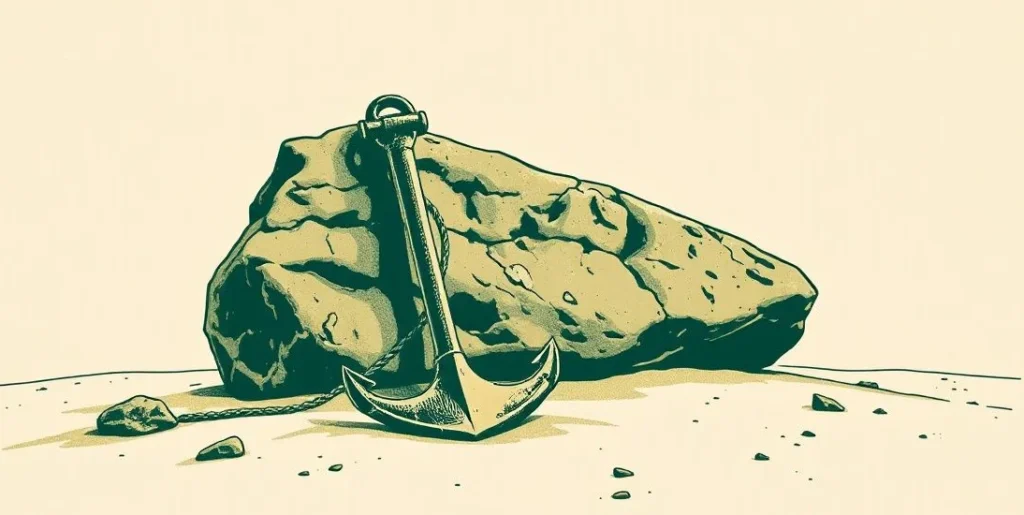
For Example: “My best friend is my anchor.”
- Tenor: My best friend
- Vehicle: Anchor
- Shared Quality: Stability, support, reliability
Types of Metaphors
Metaphors can be categorized in several ways, depending on their structure, function, and level of explicitness. Understanding these different types can help you choose the most effective metaphor for your intended purpose.
Standard Metaphors
Standard metaphors are direct comparisons that explicitly state the relationship between the tenor and the vehicle. These are the most common and easily recognizable type of metaphor.
Example: “My best friend is a ray of sunshine.”
Implied Metaphors
Implied metaphors suggest the comparison without explicitly stating it. The vehicle is implied through actions or descriptions associated with it.
Example: “She always had my back, a shield against the world’s arrows.” (Implies the friend is a protector or defender)
Extended Metaphors
Extended metaphors develop the comparison over several lines or even an entire text. They build upon the initial metaphorical connection, exploring different aspects of the relationship between the tenor and the vehicle.
Example: “My best friend is a garden. I planted the seeds of our friendship long ago, and we’ve nurtured it together, weeding out the doubts and watering it with laughter. Through sunshine and storms, our garden has flourished, a testament to the care and love we’ve invested in it.”
Mixed Metaphors
Mixed metaphors combine two or more inconsistent metaphors, often resulting in a humorous or confusing effect. While sometimes used intentionally for comedic effect, they are generally considered a stylistic error.
Example: “Let’s nip it in the bud and then put the pedal to the metal.” (Combines “nip it in the bud” (stop it early) and “put the pedal to the metal” (accelerate quickly).)
Examples of Metaphors for Best Friends
Here are some extensive examples of metaphors used to describe best friends, categorized for clarity.
Metaphors Describing Support
These metaphors emphasize the supportive role of a best friend, highlighting their ability to provide strength and encouragement.
| Metaphor | Explanation |
|---|---|
| My best friend is my rock. | Implies unwavering stability and support. |
| She’s my anchor in the storm. | Suggests a source of security during difficult times. |
| He’s my shield against the world. | Highlights protection and defense. |
| She’s the wind beneath my wings. | Emphasizes encouragement and empowerment. |
| He’s my compass, guiding me through life. | Suggests direction and purpose. |
| She’s my ladder to success. | Implies assistance in achieving goals. |
| He’s my safety net. | Highlights security and reassurance. |
| She’s my backbone. | Suggests strength and resilience. |
| He’s my sounding board. | Implies someone who listens and provides feedback. |
| She’s my cheerleader. | Highlights encouragement and enthusiasm. |
| He’s my shoulder to cry on. | Suggests comfort and empathy. |
| She’s my personal bodyguard. | Highlights protection and defense. |
| He’s the sun in my darkest days. | Implies warmth and positivity. |
| She’s the North Star, always showing me the way. | Suggests unwavering guidance. |
| He’s my constant, in a world of variables. | Implies reliability and stability. |
| She’s the glue that holds me together. | Suggests strength and cohesion. |
| He’s the lighthouse guiding me home. | Highlights direction and safety. |
| She’s my rock-solid foundation. | Implies unwavering strength and stability. |
| He’s the bridge over my troubled waters. | Suggests support and help through difficulties. |
| She’s the oxygen I need to breathe. | Implies essential support for life and happiness. |
| He’s the sturdy tree I can always lean on. | Suggests reliability and support. |
| She’s my personal superhero. | Highlights protection and strength. |
| He’s the hand that pulls me out of the darkness. | Suggests rescue and support. |
Metaphors Describing Shared Experiences
These metaphors focus on the shared history and connection between best friends, highlighting the experiences they’ve navigated together.
| Metaphor | Explanation |
|---|---|
| We’re two peas in a pod. | Implies a strong connection and shared identity. |
| We’re birds of a feather. | Suggests similar interests and values. |
| We’re partners in crime. | Highlights shared adventures and mischief. |
| We’re ships passing in the night, but our lights always recognize each other. | Suggests fleeting moments of connection that still hold significance. |
| We’re two sides of the same coin. | Implies complementary qualities and perspectives. |
| We’re a well-oiled machine. | Suggests seamless cooperation and efficiency. |
| We’re two branches of the same tree. | Highlights a shared origin and interconnectedness. |
| We’re a symphony of friendship. | Suggests harmony and collaboration. |
| We’re two pages in the same book. | Implies shared story and experiences. |
| We’re a perfectly paired playlist. | Highlights shared tastes and complementary personalities. |
| We’re a seamless dance. | Suggests effortless coordination and understanding. |
| We’re the perfect blend of coffee and cream. | Highlights complementary qualities that enhance each other. |
| We’re a matched set. | Implies compatibility and shared characteristics. |
| We’re the same vintage, aged to perfection together. | Suggests a long-lasting friendship that has grown better with time. |
| We’re a shared dream. | Highlights common aspirations and goals. |
| We’re a tapestry woven with shared memories. | Suggests a rich history and interconnected experiences. |
| We’re the peanut butter to each other’s jelly. | Highlights complementary qualities that enhance each other. |
| We’re a perfect puzzle, each piece fitting just right. | Implies compatibility and a sense of belonging. |
| We’re a story that’s still being written. | Suggests an ongoing journey and shared future. |
Metaphors Describing Personality
These metaphors focus on the specific personality traits of a best friend, highlighting their unique qualities and characteristics.
| Metaphor | Explanation |
|---|---|
| She’s a firecracker, full of energy and enthusiasm. | Implies a vibrant and exciting personality. |
| He’s a gentle giant, kind and caring. | Suggests a combination of strength and tenderness. |
| She’s a free spirit, always exploring and adventuring. | Highlights independence and a love for new experiences. |
| He’s a wise owl, offering insightful advice. | Suggests intelligence and wisdom. |
| She’s a calming breeze, bringing peace and tranquility. | Implies a soothing and reassuring presence. |
| He’s a bright spark, always igniting new ideas. | Suggests creativity and innovation. |
| She’s a hidden gem, rare and precious. | Highlights unique and valuable qualities. |
| He’s a sturdy oak, strong and dependable. | Suggests resilience and reliability. |
| She’s a rainbow after the rain, bringing joy and hope. | Implies positivity and optimism after difficult times. |
| He’s a walking encyclopedia, full of knowledge and information. | Suggests intelligence and a wide range of knowledge. |
| She’s a ray of sunshine, always bringing happiness. | Implies positivity and warmth. |
| He’s a quiet storm, powerful and intense beneath the surface. | Suggests hidden strength and passion. |
| She’s a wildflower, beautiful and untamed. | Highlights natural beauty and independence. |
| He’s a steady flame, providing warmth and comfort. | Suggests reliability and a comforting presence. |
| She’s a shooting star, dazzling and unforgettable. | Implies brilliance and a lasting impact. |
| He’s a deep well, full of wisdom and understanding. | Suggests knowledge and empathy. |
| She’s a breath of fresh air, invigorating and refreshing. | Implies positivity and a revitalizing presence. |
| He’s a guardian angel, always watching over me. | Suggests protection and care. |
Metaphors Describing Loyalty
These metaphors underscore the unwavering loyalty and dedication that characterize a true best friend.
| Metaphor | Explanation |
|---|---|
| She’s my ride or die. | Implies unwavering loyalty and commitment. |
| He’s my brother from another mother. | Suggests a deep bond and familial connection. |
| She’s my sister from another mister. | Suggests a deep bond and familial connection. |
| She’s my partner for life. | Highlights a long-lasting and committed friendship. |
| He’s my confidant, the keeper of my secrets. | Suggests trust and discretion. |
| She’s my built-in best friend. | Implies an inseparable bond and lifelong connection. |
| He’s the gold standard of friendship. | Suggests excellence and unwavering dedication. |
| She’s my forever friend. | Highlights a lasting and enduring bond. |
| He’s the truest friend I’ll ever know. | Implies unparalleled loyalty and authenticity. |
| She’s the real deal. | Suggests authenticity and genuine friendship. |
| He’s my shadow, always there. | Implies unwavering presence and support. |
| She’s the definition of a friend. | Highlights exemplary qualities of friendship. |
| He’s my chosen family. | Suggests a deep bond and sense of belonging. |
| She’s blood without the biology. | Implies a deep bond that rivals family ties. |
| He’s the end of my rainbow. | Suggests a treasure and source of happiness. |
| She’s the compass that always points me home. | Implies guidance and a sense of belonging. |
| He’s the constant star in my ever-changing sky. | Suggests unwavering support and reliability. |
| She’s the melody to my sometimes chaotic song. | Implies harmony and balance. |
| He’s the warmth in my winter. | Suggests comfort and support during difficult times. |
Usage Rules for Metaphors
Using metaphors effectively requires careful consideration of several factors. Clarity, relevance, and consistency are key to creating impactful and meaningful comparisons.
Clarity
A good metaphor should be clear and easily understood. Avoid obscure or overly complex comparisons that may confuse the reader. The connection between the tenor and the vehicle should be readily apparent.
Relevance
The metaphor should be relevant to the context and the subject being described. The shared characteristics between the tenor and the vehicle should be meaningful and contribute to the overall message.
Consistency
Maintain consistency within the metaphor. Avoid mixing metaphors or introducing contradictory elements that may weaken the comparison. If using an extended metaphor, ensure that all aspects of the comparison align logically.
Originality
While some common metaphors are effective, strive for originality and creativity in your comparisons. A fresh and unique metaphor can capture the reader’s attention and create a lasting impression. However, avoid being so original that the metaphor becomes incomprehensible.
Common Mistakes with Metaphors
Several common mistakes can undermine the effectiveness of metaphors. Being aware of these pitfalls can help you avoid them and use metaphors more skillfully.
Mixed Metaphors
Combining inconsistent metaphors can create a confusing or humorous effect, detracting from the intended message.
Incorrect: “Let’s grab the bull by the horns and swim upstream.”
Correct: “Let’s grab the bull by the horns.” or “Let’s swim upstream.”
Clichés
Overusing common metaphors can make your writing sound unoriginal and predictable.
Cliché: “My best friend is a diamond in the rough.”
Better: “My best friend is a hidden gem, waiting to be discovered.”
Forced Metaphors
Trying to force a metaphorical connection where there is none can result in awkward and ineffective comparisons. Make sure the comparison feels natural and relevant.
Incorrect: “My best friend is a refrigerator, keeping me cool under pressure.”
Better: “My best friend is a calming breeze, keeping me cool under pressure.”
Overuse of Metaphors
Using too many metaphors in a short space can overwhelm the reader and detract from the clarity of your writing. Use metaphors sparingly and strategically for maximum impact.
Practice Exercises
Test your understanding of metaphors with these practice exercises.
Exercise 1: Identifying Metaphors
Identify the metaphor in each sentence and explain its meaning.
| Question | Answer |
|---|---|
| 1. My best friend is a lighthouse in my life. | Metaphor: Lighthouse. Meaning: Provides guidance and safety. |
| 2. She’s a walking encyclopedia. | Metaphor: Walking encyclopedia. Meaning: Very knowledgeable. |
| 3. He’s my rock. | Metaphor: Rock. Meaning: Provides stability and support. |
| 4. Our friendship is a garden. | Metaphor: Garden. Meaning: Something nurtured and grown over time. |
| 5. She’s the glue that holds me together. | Metaphor: Glue. Meaning: Provides cohesion and strength. |
| 6. He is my shield against the world. | Metaphor: Shield. Meaning: Provides protection and defense. |
| 7. She is a ray of sunshine on a cloudy day. | Metaphor: Ray of sunshine. Meaning: Provides happiness and warmth. |
| 8. He is the wind beneath my wings. | Metaphor: Wind beneath my wings. Meaning: Provides encouragement and support. |
| 9. She is my compass, leading me through life. | Metaphor: Compass. Meaning: Provides direction and guidance. |
| 10. He is my anchor in the storm. | Metaphor: Anchor. Meaning: Provides stability and security. |
Exercise 2: Creating Metaphors
Create a metaphor to describe each of the following aspects of a best friend.
| Question | Answer |
|---|---|
| 1. Their sense of humor | My best friend’s sense of humor is a bubbling brook, always refreshing and delightful. |
| 2. Their loyalty | His loyalty is an unbreakable chain, binding us together through thick and thin. |
| 3. Their support | Her support is a sturdy bridge, helping me cross over troubled waters. |
| 4. Their advice | His advice is a wise old owl, guiding me with its knowledge and experience. |
| 5. Their personality | Her personality is a vibrant tapestry, woven with threads of kindness, humor, and strength. |
| 6. Their presence | Her presence is a warm blanket on a cold night, comforting and reassuring. |
| 7. Their encouragement | His encouragement is a gentle breeze, lifting my spirits and pushing me forward. |
| 8. Their understanding | Her understanding is a clear mirror, reflecting my thoughts and feelings without judgment. |
| 9. Their strength | His strength is a towering oak, standing firm against the storms of life. |
| 10. Their friendship | Our friendship is a timeless melody, harmonizing our lives with joy and laughter. |
Exercise 3: Correcting Mixed Metaphors
Rewrite the following sentences to correct the mixed metaphors.
| Question | Answer |
|---|---|
| 1. Let’s nip it in the bud and run with the ball. | Let’s nip it in the bud. OR Let’s run with the ball. |
| 2. He was skating on thin ice, but he nipped it in the bud. | He was skating on thin ice. OR He nipped the problem in the bud. |
| 3. She was a diamond in the rough, and she was running with the ball. | She was a diamond in the rough. OR She was running with the ball. |
| 4. He was burning the midnight oil and getting the short end of the stick. | He was burning the midnight oil. OR He was getting the short end of the stick. |
| 5. She was a shining star and a diamond in the rough. | She was a shining star. OR She was a diamond in the rough. |
| 6. Let’s think outside the box and grab the bull by the horns. | Let’s think outside the box. OR Let’s grab the bull by the horns. |
| 7. He was caught between a rock and a hard place, so he decided to run with the ball. | He was caught between a rock and a hard place. OR He decided to run with the ball. |
| 8. She was on cloud nine and skating on thin ice. | She was on cloud nine. OR She was skating on thin ice. |
| 9. He was a fish out of water, but he grabbed the bull by the horns. | He was a fish out of water. OR He grabbed the bull by the horns. |
| 10. She was walking on eggshells and burning the midnight oil. | She was walking on eggshells. OR She was burning the midnight oil. |
Advanced Topics in Metaphorical Language
Exploring the nuances of metaphorical language can lead to a deeper understanding of its power and potential.
Cognitive Metaphor Theory
Cognitive Metaphor Theory proposes that metaphors are not just linguistic devices but fundamental aspects of human thought. It suggests that we understand abstract concepts by mapping them onto more concrete experiences. For example, we understand “argument” as “war” (e.g., “He attacked my argument,” “I defended my position”). This theory provides insights into how metaphors shape our understanding of the world.
Dead Metaphors
Dead metaphors are metaphors that have become so common that they are no longer recognized as figurative language. They have lost their original metaphorical impact and are used as literal expressions. For example, “the leg of a table” was originally a metaphor, but it is now a standard term. Recognizing dead metaphors can help you avoid clichés and create more original comparisons.
Metaphorical Extension
Metaphorical extension involves expanding upon an initial metaphor to create a more complex and nuanced comparison. This can involve exploring different aspects of the relationship between the tenor and the vehicle or introducing new elements to the metaphor. Metaphorical extension can add depth and richness to your writing.
Frequently Asked Questions
Here are some frequently asked questions about metaphors.
- What is the difference between a metaphor and a simile?
A metaphor directly compares two unrelated things without using “like” or “as,” while a simile uses “like” or “as” to make the comparison explicit. Metaphors are more assertive and imply a stronger connection between the compared elements.
- How can I improve my use of metaphors?
Read widely, pay attention to the metaphors used by skilled writers, and practice creating your own. Focus on clarity, relevance, and originality in your comparisons. Seek feedback from others to refine your metaphorical language.
- What are some common types of metaphors?
Common types of metaphors include standard metaphors, implied metaphors, extended metaphors, and mixed metaphors. Each type serves a unique purpose in conveying meaning and creating imagery.
- Why are metaphors important in writing?
Metaphors add depth, color, and expressiveness to writing. They allow you to convey complex ideas in a more relatable and memorable way, engaging the reader’s imagination and enhancing their understanding.
- How can I avoid mixed metaphors?
Pay careful attention to the consistency of your metaphors. Ensure that all elements of the comparison align logically and avoid combining inconsistent images or ideas.
- Are there any situations where metaphors should be avoided?
In technical or scientific writing, where precision and clarity are paramount, metaphors should be used sparingly. Overuse of metaphors can also detract from the clarity of writing, especially if they are complex or obscure.
- What is Cognitive Metaphor Theory?
Cognitive Metaphor Theory proposes that metaphors are not just linguistic devices but fundamental aspects of human thought. It suggests that we understand abstract concepts by mapping them onto more concrete experiences.
- What are dead metaphors?
Dead metaphors are metaphors that have become so common that they are no longer recognized as figurative language. They have lost their original metaphorical impact and are used as literal expressions.