On this page10 sections
Similes allow you to create vivid comparisons, making your language more engaging and impactful. By mastering the art of crafting similes, you can significantly improve your ability to express nuanced ideas and paint compelling pictures with words. This article provides a comprehensive guide to using similes to describe perfection, exploring various examples and usage rules that will benefit English language learners and writers of all levels.
Introduction
Similes are powerful tools in the English language, allowing writers and speakers to create vivid and memorable descriptions. They work by comparing one thing to another using words like “like” or “as.” When it comes to describing something as “perfect,” similes can add depth and nuance that simple adjectives often lack.
Definition of a Simile
A simile is a figure of speech that compares two unlike things using the words “like” or “as.” The purpose of a simile is to enhance description by drawing a parallel between something familiar and something you want to describe. Similes are essential for creating vivid imagery and conveying complex ideas in a relatable way. Unlike metaphors, which directly state that one thing is another, similes acknowledge the comparison through the use of “like” or “as.”
Similes function as a type of figurative language, meaning they use words or expressions with a meaning that is different from the literal interpretation. In the context of describing perfection, similes help to illustrate the qualities that make something flawless or ideal by comparing it to something else that embodies those traits. They add depth and color to your writing, making it more engaging and memorable for the reader.
Structural Breakdown of Similes
Understanding the structure of a simile is crucial for creating effective and meaningful comparisons. A typical simile consists of three main components: the subject, the linking word (either “like” or “as”), and the object of comparison. The subject is the thing you are describing, and the object of comparison is what you are comparing it to.
The formula for a simile is straightforward: Subject + Linking Word (like/as) + Object of Comparison. For example, in the simile “She is as radiant as the sun,” “she” is the subject, “as” is the linking word, and “the sun” is the object of comparison. This structure allows you to create a clear and understandable comparison that enhances the description of the subject.
Types of Similes
While all similes share the basic structure of comparing two things using “like” or “as,” they can be categorized based on the nature of the comparison they make. Understanding these categories can help you choose the most effective simile for your specific purpose.
Descriptive Similes
Descriptive similes focus on physical characteristics or qualities. They often use sensory details to create a vivid image in the reader’s mind. For example, “The snow was as white as freshly laundered linen” uses the color white to compare the snow to linen, creating a clear visual image.
Emotional Similes
Emotional similes compare feelings or emotional states. These similes help to convey the intensity or quality of an emotion by relating it to something more concrete. For example, “He felt as lost as a ship without a rudder” conveys a sense of disorientation and helplessness.
Action Similes
Action similes compare actions or behaviors. These similes often use verbs to highlight the similarity between two different actions. For example, “She moved through the crowd like a fish swims through water” emphasizes the ease and grace of her movement.
Abstract Similes
Abstract similes compare abstract concepts or ideas. These similes can be more challenging to create but can also be very effective in conveying complex or nuanced meanings. For example, “His argument was as solid as a brick wall” suggests that his argument was strong and unyielding.
Examples of Similes for Perfect
Describing something as “perfect” can be enhanced through the use of similes, adding depth and nuance to your descriptions. Here are several examples organized by category, providing you with a wide range of options to choose from.
General Perfection
These similes describe perfection in a broad sense, applicable to various subjects and situations.
The following table contains 30 examples of similes that describe general perfection:
| Simile | Explanation |
|---|---|
| As perfect as a freshly cut diamond | Highlights the flawless and precise nature. |
| Like a symphony played without a single wrong note | Emphasizes the harmonious and flawless execution. |
| As seamless as a tailor’s finest work | Illustrates the smooth and unbroken quality. |
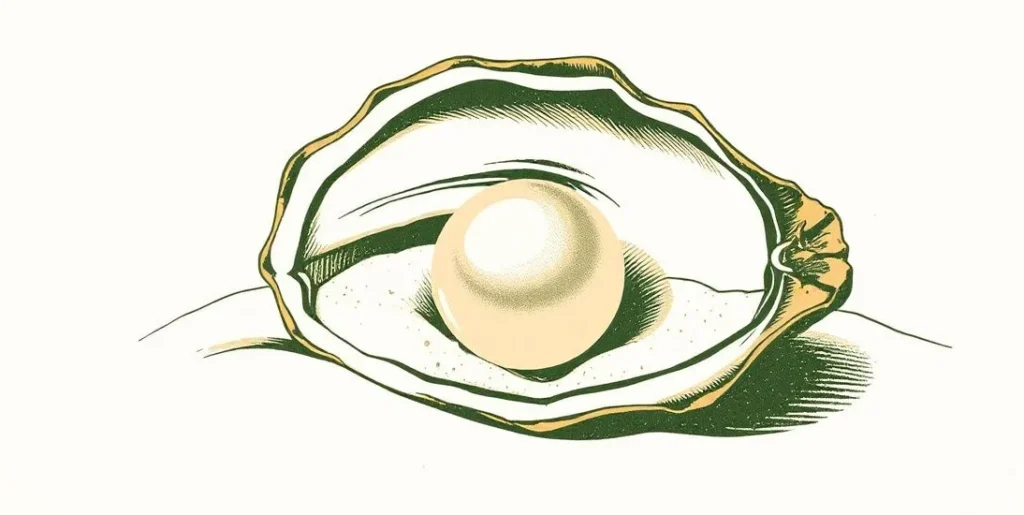
| Perfect like a newly formed pearl | Suggests natural beauty and flawlessness. |
| As complete as a circle | Highlights the sense of wholeness and fulfillment. |
| Like a flawless mirror reflection | Emphasizes accuracy and lack of distortion. |
| As pristine as untouched snow | Illustrates purity and lack of imperfection. |
| Perfect like a well-oiled machine | Highlights efficiency and smooth operation. |
| As harmonious as birds in a chorus | Emphasizes balance and unity. |
| Like a painting by a master artist | Suggests skill, precision, and beauty. |
| As precise as a surgeon’s incision | Highlights accuracy and care. |
| Perfect as a mathematical equation | Suggests exactness and correctness. |
| Like a story with a perfect ending | Emphasizes satisfaction and resolution. |
| As balanced as a perfectly tuned instrument | Highlights harmony and equilibrium. |
| Perfect like a sunrise over the ocean | Suggests natural beauty and awe. |
| As smooth as silk | Illustrates a seamless and effortless quality. |
| Like a clock that never misses a beat | Emphasizes reliability and precision. |
| As consistent as the tides | Highlights predictability and reliability. |
| Perfect like a clear, cloudless sky | Suggests purity and unobstructed beauty. |
| As elegant as a swan | Emphasizes grace and refinement. |
| Like a well-rehearsed dance | Suggests coordination and flawlessness. |
| As sharp as a tack | Highlights precision and effectiveness. |
| Perfect like a four-leaf clover | Suggests rarity and good fortune. |
| As radiant as a star | Emphasizes brilliance and beauty. |
| Like a perfectly baked cake | Highlights balance and deliciousness. |
| As sturdy as an oak tree | Illustrates strength and resilience. |
| Perfect like a completed puzzle | Suggests wholeness and resolution. |
| As vibrant as a rainbow | Emphasizes beauty and diversity. |
| Like a finely crafted watch | Highlights precision and detail. |
| As soothing as a gentle breeze | Illustrates calmness and comfort. |
Perfection in Skill or Performance
These similes are used to describe skills or performances that are executed flawlessly.
The following table contains 25 examples of similes describing perfection in skill or performance:
| Simile | Explanation |
|---|---|
| As graceful as a ballerina’s pirouette | Highlights elegance and precision in movement. |
| Like a surgeon’s steady hand | Emphasizes precision and expertise. |
| As precise as a master clockmaker | Illustrates meticulous attention to detail. |
| Perfect like a virtuoso’s performance | Suggests exceptional skill and artistry. |
| As smooth as a jazz musician’s improvisation | Highlights fluidity and effortless skill. |
| Like a well-oiled engine | Emphasizes efficiency and seamless operation. |
| As sharp as a seasoned detective’s intuition | Illustrates keen insight and accuracy. |
| Perfect like a perfectly executed plan | Suggests flawless strategy and implementation. |
| As natural as breathing | Highlights effortless skill and ease. |
| Like a seasoned athlete in their prime | Emphasizes peak performance and mastery. |
| As controlled as a martial arts master | Highlights discipline and perfect execution. |
| Perfect like a chef’s signature dish | Suggests mastery and unique skill. |
| As effortless as a bird taking flight | Illustrates grace and natural ability. |
| Like a conductor leading an orchestra | Emphasizes coordination and harmony. |
| As seamless as a professional dancer’s routine | Highlights fluidity and precision. |
| Perfect like a flawless game of chess | Suggests strategic brilliance and execution. |
| As intuitive as a mother’s love | Illustrates deep understanding and care. |
| Like a skilled pilot landing a plane | Emphasizes precision and control. |
| As practiced as a concert pianist’s scales | Highlights dedication and mastery. |
| Perfect like a well-written code | Suggests efficiency and error-free execution. |
| As refined as a sommelier’s palate | Illustrates expertise and discernment. |
| Like a seasoned writer crafting a novel | Emphasizes skill and storytelling ability. |
| As fluid as a calligrapher’s stroke | Highlights grace and artistry. |
| Perfect like a flawless magic trick | Suggests skill and seamless execution. |
| As calculated as an engineer’s design | Illustrates precision and accuracy. |
Perfection in Appearance
These similes are used to describe physical appearances that are considered perfect or ideal.
The following table contains 20 examples of similes describing perfection in appearance:
| Simile | Explanation |
|---|---|
| As radiant as a sunrise | Highlights beauty and warmth. |
| Like a perfectly sculpted statue | Emphasizes symmetry and artistry. |
| As flawless as a porcelain doll | Illustrates smoothness and lack of imperfections. |
| Perfect like a blooming rose | Suggests natural beauty and vibrancy. |
| As striking as a lightning bolt | Highlights boldness and captivation. |
| Like a supermodel on a runway | Emphasizes poise and attractiveness. |
| As immaculate as a freshly painted canvas | Illustrates purity and freshness. |
| Perfect like a dewdrop on a petal | Suggests delicate beauty and clarity. |
| As captivating as a siren’s call | Highlights allure and irresistibility. |
| Like a character from a fairy tale | Emphasizes idealized beauty and charm. |
| As alluring as a red sunset | Highlights beauty and intrigue. |
| Perfect like a rare orchid | Suggests uniqueness and exquisite beauty. |
| As polished as a gemstone | Illustrates refinement and brilliance. |
| Like a Greek god or goddess | Emphasizes idealized physical perfection. |
| As pristine as a pearl | Highlights purity and elegance. |
| Perfect like a well-composed photograph | Suggests balance and visual harmony. |
| As ethereal as moonlight | Illustrates otherworldly beauty. |
| Like a work of art | Emphasizes aesthetic perfection. |
| As refined as aged wine | Highlights sophistication and elegance. |
| Perfect like a summer’s day | Suggests warmth and happiness. |
Usage Rules for Similes
Using similes effectively requires adherence to certain rules to ensure clarity and impact. The first rule is to ensure that the comparison is relevant and understandable. The object of comparison should be something familiar to the audience, making the simile more relatable and effective.
Another important rule is to avoid clichéd similes. Overused similes, such as “as busy as a bee,” have lost their impact and can make your writing seem unoriginal. Instead, strive to create fresh and unique comparisons that will capture the reader’s attention.
Consistency is also key. Ensure that the tone and style of your simile align with the overall tone and style of your writing. A humorous simile might be out of place in a serious or formal context, and vice versa.
Finally, make sure the simile enhances the description rather than detracting from it. The comparison should clarify and add depth to the subject, not confuse or distract the reader. A well-crafted simile will elevate your writing and make it more engaging.
Common Mistakes with Similes
Even experienced writers can make mistakes when using similes. One common error is using similes that are illogical or nonsensical. For example, “He was as tall as a short tree” is contradictory and doesn’t make sense.
Another mistake is mixing metaphors and similes. While both are figures of speech, they function differently. A simile uses “like” or “as” to make a comparison, while a metaphor directly equates two things. Mixing them can lead to confusion.
Overusing similes is also a common pitfall. While similes can enhance your writing, too many can make it feel cluttered and contrived. Use them sparingly and strategically to maximize their impact.
The table below illustrates some common mistakes with similes and provides corrections:
| Incorrect | Correct | Explanation |
|---|---|---|
| He was as tall as a short tree. | He was as tall as a skyscraper. | The comparison should be logical. |
| She is a lion, like brave. | She is as brave as a lion. | Ensure correct simile structure with “as.” |
| The room was a furnace, like hot. | The room was like a furnace. | Complete the comparison with a noun. |
| He ran like fast. | He ran as fast as a cheetah. | Use a proper object of comparison. |
| She sings good like an angel. | She sings as well as an angel. | Use correct grammar and word choice. |
Practice Exercises
Test your understanding of similes with these practice exercises. For each question, create a simile using “like” or “as” to describe the given subject.
Exercise 1: Basic Similes
Create a simile for each of the following words:
| Question | Your Answer | Correct Answer |
|---|---|---|
| 1. The night | As dark as a starless night | |
| 2. Happiness | Like sunshine on a cloudy day | |
| 3. Fear | As cold as ice | |
| 4. Anger | Like a raging fire | |
| 5. Love | As warm as a summer breeze | |
| 6. Silence | Like a tomb | |
| 7. Wisdom | As deep as the ocean | |
| 8. Strength | Like an iron beam | |
| 9. Beauty | As radiant as the moon | |
| 10. Peace | Like a calm lake |
Exercise 2: Similes for Perfect
Create a simile to describe something as “perfect” in the following scenarios:
| Question | Your Answer | Correct Answer |
|---|---|---|
| 1. A perfectly executed dance | As graceful as a swan’s glide | |
| 2. A flawless musical performance | Like a symphony conducted by the gods | |
| 3. A perfectly designed building | As balanced as a work of art | |
| 4. A flawlessly cooked meal | Like ambrosia from the heavens | |
| 5. A perfectly written poem | As melodic as a songbird’s tune | |
| 6. A perfectly thrown baseball pitch | As precise as a guided missile | |
| 7. A perfectly organized event | Like a well-oiled machine | |
| 8. A perfectly timed joke | As sharp as a razor | |
| 9. A perfectly clear explanation | Like a crystal-clear stream | |
| 10. A perfectly crafted argument | As solid as a brick wall |
Exercise 3: Advanced Similes
Create more complex and original similes for the following concepts:
| Question | Your Answer | Correct Answer |
|---|---|---|
| 1. The feeling of nostalgia | Like sifting through faded photographs, each one a portal to a bygone era. | |
| 2. The concept of time | As elusive as trying to catch smoke with your bare hands. | |
| 3. The experience of learning | Like climbing a mountain, each step revealing a broader vista. | |
| 4. The power of memory | As resilient as a weed pushing through concrete. | |
| 5. The nature of truth | Like a multifaceted gem, each angle reflecting a different perspective. | |
| 6. The feeling of being understood | As comforting as a warm blanket on a cold night. | |
| 7. The impact of a great book | Like stepping into another world, leaving your old life behind. | |
| 8. The journey of life | As unpredictable as a river, winding through valleys and over waterfalls. | |
| 9. The essence of creativity | Like a spark igniting a wildfire, transforming the mundane into the extraordinary. | |
| 10. The sensation of hope | As persistent as the sun rising after the darkest night. |
Advanced Topics in Similes
Exploring more nuanced aspects of similes can further enhance their writing skills. One such aspect is the use of extended similes, which develop a comparison over several sentences or even paragraphs. This allows for a more detailed and impactful description.
Another advanced technique is the use of ironic similes, where the comparison is used to highlight a contrast or contradiction. For example, “He was as graceful as a bull in a china shop” uses a simile to emphasize his clumsiness.
Additionally, understanding the cultural context of similes is crucial. Some comparisons may be more effective or understandable in certain cultures than others. Being aware of these nuances can help you tailor your similes to your audience.
Frequently Asked Questions
Here are some frequently asked questions about similes:
- What is the difference between a simile and a metaphor?
A simile compares two things using “like” or “as,” while a metaphor directly equates two things without using these words. For example, “He is like a lion” (simile) vs. “He is a lion” (metaphor).
- Can a simile be a cliché?
Yes, similes can become clichés if they are overused. It’s best to avoid common similes like “as busy as a bee” and instead create original comparisons.
- How do I create a strong simile?
A strong simile involves a relevant and understandable comparison. The object of comparison should be familiar to the audience, and the simile should enhance the description of the subject.
- Is it okay to use multiple similes in a paragraph?
While it’s possible, it’s generally best to use similes sparingly. Overusing them can make your writing feel cluttered and contrived. Use them strategically for maximum impact.
- What are some common mistakes to avoid when using similes?
Common mistakes include using illogical comparisons, mixing metaphors and similes, and overusing similes. Always ensure that your simile is clear, relevant, and enhances your writing.
- How can I improve my ability to write effective similes?
Practice is key. Read widely to expose yourself to different types of similes, and experiment with creating your own. Pay attention to the impact of your similes on the reader.
- Are similes only used in writing, or can they be used in speech as well?
Similes are used both in writing and in speech. They are a versatile tool for enhancing communication in various contexts.
- Can similes be used in formal writing?
Yes, similes can be used in formal writing, but they should be used judiciously. Ensure that the simile is appropriate for the tone and style of the writing.