
On this page9 sections
Metaphors are powerful tools in the English language, allowing us to express complex ideas and emotions in vivid and relatable ways. When discussing challenges, metaphors can be particularly effective, helping us to understand and articulate the difficulties we face.
Understanding these metaphors not only enriches your vocabulary but also improves your comprehension of nuanced communication. Learning to recognize and use these metaphors will allow you to express yourself more creatively and connect with others on a deeper level.
Definition of Metaphor and Challenges
A metaphor is a figure of speech that directly compares two unrelated things, asserting that one thing is another to suggest a likeness or analogy between them. Unlike similes, which use “like” or “as” to make a comparison, metaphors make a direct comparison without these words. The purpose of a metaphor is to illuminate a particular quality or aspect of one thing by associating it with something else.
A challenge, in the context of this article, refers to a difficult task or situation that tests someone’s abilities. Challenges can be personal, professional, or societal, and they often require effort, resilience, and problem-solving skills to overcome. Challenges are an inevitable part of life, and how we perceive and address them significantly impacts our growth and well-being. Metaphors help us frame these challenges in ways that make them more understandable and manageable.
Structural Breakdown of Challenge Metaphors
Challenge metaphors typically consist of two main components: the tenor and the vehicle. The tenor is the subject being described (in this case, the challenge), and the vehicle is the object or concept used to describe the tenor. The vehicle provides a new perspective on the tenor, highlighting certain characteristics or qualities.
For example, in the metaphor “the challenge was a mountain to climb,” the tenor is “the challenge,” and the vehicle is “a mountain to climb.” The metaphor suggests that the challenge is difficult, arduous, and requires significant effort to overcome, just like climbing a mountain. The effectiveness of a metaphor depends on the clarity and relevance of the connection between the tenor and the vehicle. A strong metaphor will resonate with the audience, providing a fresh and insightful understanding of the challenge.
Types of Challenge Metaphors
Challenge metaphors can be categorized into several types based on the specific imagery or concepts they employ. Understanding these categories can help you identify and interpret metaphors more effectively.
Obstacle Metaphors
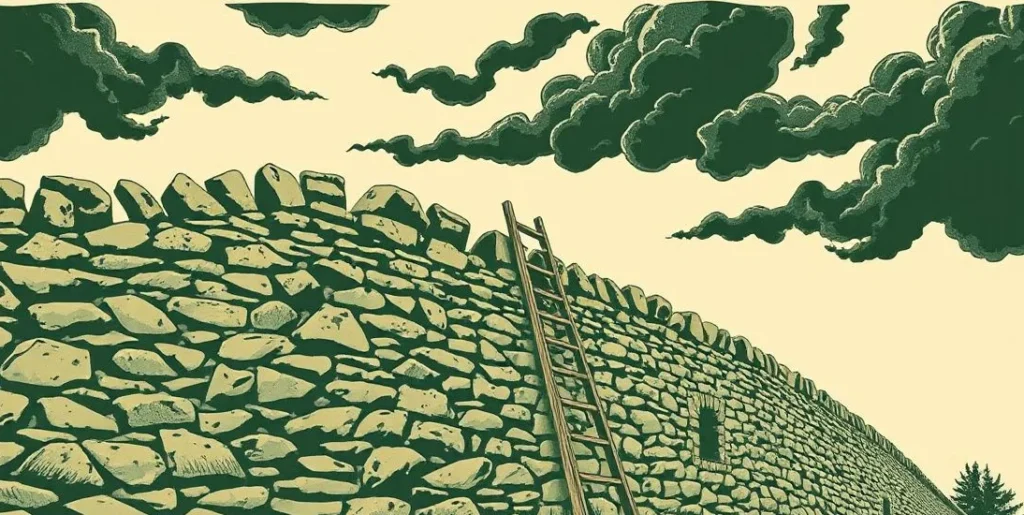
Obstacle metaphors describe challenges as barriers or impediments that must be overcome. These metaphors emphasize the difficulty and effort required to move forward.
Examples include: “The problem was a brick wall,” “He ran into a roadblock,” and “She faced a hurdle in her career.” These metaphors highlight the sense of being blocked or hindered in progress. The imagery is often physical, suggesting a tangible barrier that must be navigated or broken down.
Journey Metaphors
Journey metaphors frame challenges as voyages or expeditions, emphasizing the process of overcoming difficulties and the potential for growth and discovery along the way.
Examples include: “Life is a winding road,” “He’s navigating uncharted waters,” and “She’s on a difficult path.” These metaphors highlight the sense of progress, direction, and the possibility of encountering unexpected obstacles or opportunities. Journey metaphors often imply a sense of purpose and destination, even if the route is uncertain.
Battle Metaphors
Battle metaphors portray challenges as conflicts or struggles, emphasizing the need for strength, strategy, and resilience to emerge victorious.
Examples include: “He’s fighting an uphill battle,” “She’s locked in a struggle with her illness,” and “They’re waging a war against poverty.” These metaphors highlight the sense of opposition, aggression, and the potential for both victory and defeat. Battle metaphors often evoke a sense of urgency and high stakes.
Weather Metaphors
Weather metaphors use elements of weather, such as storms, sunshine, or fog, to represent the challenges and uncertainties of life.
Examples include: “She weathered the storm,” “He’s in a fog about his future,” and “They’re facing turbulent times.” These metaphors highlight the sense of unpredictability, intensity, and the need to adapt to changing conditions. Weather metaphors often convey a sense of being at the mercy of external forces.
Weight Metaphors
Weight metaphors describe challenges as burdens or pressures that weigh someone down, emphasizing the emotional and mental toll they can take.
Examples include: “He’s carrying the weight of the world on his shoulders,” “She’s burdened by responsibility,” and “They’re under immense pressure to succeed.” These metaphors highlight the sense of heaviness, stress, and the potential for feeling overwhelmed. Weight metaphors often suggest a need for support or relief.
Natural Disaster Metaphors
Natural disaster metaphors use images of events like earthquakes, tsunamis, or wildfires to convey the overwhelming and destructive nature of certain challenges.
Examples include: “The scandal was an earthquake that shook the company,” “His anger erupted like a volcano,” and “The economic crisis was a tsunami that devastated the region.” These metaphors highlight the sudden, powerful, and often uncontrollable nature of the challenge. They evoke a sense of chaos and destruction, emphasizing the need for recovery and rebuilding.
Examples of Challenge Metaphors
The following tables provide comprehensive examples of different types of challenge metaphors, illustrating their varied usage and impact.
Table 1: Obstacle Metaphors
This table showcases how challenges can be described using obstacle metaphors, emphasizing the barriers and impediments they represent.
| Metaphor | Explanation |
|---|---|
| The project hit a wall. | The project encountered an insurmountable obstacle. |
| Her career stalled due to a glass ceiling. | She faced invisible barriers preventing her advancement. |
| He stumbled over a few hurdles. | He encountered minor difficulties. |
| The regulations are a minefield. | The regulations are complex and full of potential problems. |
| The bureaucracy is a labyrinth. | The bureaucracy is confusing and difficult to navigate. |
| His lack of experience was a major stumbling block. | His inexperience significantly hindered his progress. |
| She faced a mountain of paperwork. | She had to deal with an overwhelming amount of documents. |
| The language barrier was a significant obstacle. | The difference in language created a major impediment. |
| He felt trapped in a dead end job. | He felt that his job offered no further opportunities. |
| The political climate is a swamp. | The political climate is corrupt and difficult to navigate. |
| Their relationship hit a snag. | Their relationship encountered an unexpected problem. |
| The competition is a jungle. | The competition is fierce and unforgiving. |
| He had to jump through hoops to get the loan. | He had to complete many difficult and unnecessary tasks. |
| The merger created a bottleneck in production. | The merger caused a delay in production. |
| The project was derailed by unforeseen circumstances. | The project was stopped or delayed due to unexpected events. |
| She felt like she was running into a brick wall with her suggestions. | Her suggestions were consistently rejected. |
| He was navigating a minefield of office politics. | He was carefully avoiding potential problems in the workplace. |
| The legal issues are a quagmire. | The legal issues are complex and difficult to resolve. |
| The funding cuts created a chasm in the program. | The funding cuts created a significant gap in the program. |
| His pride was a major impediment to his success. | His pride significantly hindered his progress. |
| The lack of resources was a major constraint. | The limited resources posed a significant restriction. |
| She had to overcome numerous setbacks. | She had to recover from many negative experiences. |
| The project was plagued by unforeseen glitches. | The project was consistently disrupted by minor problems. |
| The regulations are a maze of red tape. | The regulations are complex and difficult to understand. |
| He encountered a series of roadblocks on his path to success. | He faced multiple obstacles that hindered his progress. |
Table 2: Journey Metaphors
This table focuses on journey metaphors, illustrating how challenges can be framed as voyages or expeditions with their own paths, destinations, and potential discoveries.
| Metaphor | Explanation |
|---|---|
| Life is a marathon, not a sprint. | Life requires endurance and long-term commitment. |
| He’s on a long and winding road. | He’s facing a complex and uncertain journey. |
| She’s navigating uncharted waters. | She’s exploring unfamiliar and risky territory. |
| They’re at a crossroads. | They’re facing a critical decision with significant consequences. |
| He’s reached a turning point in his career. | He’s at a moment of significant change. |
| She’s climbing the corporate ladder. | She’s advancing through the ranks of her company. |
| They’re lost in the wilderness. | They’re confused and disoriented in their current situation. |
| He’s charting a new course for his life. | He’s making significant changes to his life’s direction. |
| She’s embarking on a new adventure. | She’s starting a new and exciting experience. |
| They’re sailing against the wind. | They’re facing strong opposition in their endeavors. |
| He’s treading a difficult path. | He’s facing a challenging and arduous journey. |
| She’s on a quest for knowledge. | She’s pursuing knowledge with determination and purpose. |
| They’re mapping out their future. | They’re planning and strategizing for their future. |
| He’s blazing a trail for others to follow. | He’s pioneering a new path that others can emulate. |
| She’s reaching new heights in her career. | She’s achieving significant success in her career. |
| They’re navigating the complexities of the market. | They’re dealing with the intricate challenges of the market. |
| He’s wandering through life without a compass. | He’s living without a clear sense of direction or purpose. |
| She’s crossing a bridge to a new chapter in her life. | She’s transitioning to a new phase of her life. |
| They’re trekking through the desert of uncertainty. | They’re enduring a period of doubt and instability. |
| He’s paving the way for future generations. | He’s creating opportunities for those who come after him. |
| She’s reaching the summit of her career. | She’s achieving the highest point in her career. |
| They’re lost at sea without a lighthouse. | They’re disoriented and without guidance in a difficult situation. |
| He’s on a pilgrimage to find himself. | He’s undertaking a journey of self-discovery. |
| She’s following her own star. | She’s pursuing her unique path and aspirations. |
| They’re setting sail on a new venture. | They’re starting a new business or project. |
Table 3: Battle Metaphors
This table explores battle metaphors, which frame challenges as conflicts requiring strength and strategy to overcome.
| Metaphor | Explanation |
|---|---|
| He’s fighting an uphill battle. | He’s facing a very difficult and challenging situation. |
| She’s locked in a struggle with her illness. | She’s battling her illness with great effort. |
| They’re waging a war against poverty. | They’re fighting to eliminate poverty. |
| He’s battling his demons. | He’s struggling with his inner conflicts and personal issues. |
| She’s facing a formidable opponent. | She’s competing against a strong and challenging competitor. |
| They’re locked in a battle for market share. | They’re fiercely competing for a larger portion of the market. |
| He’s on the front lines of innovation. | He’s at the forefront of new developments and advancements. |
| She’s defending her dissertation. | She’s presenting and arguing in favor of her research. |
| They’re engaged in a war of words. | They’re involved in a heated argument or debate. |
| He’s fighting for his rights. | He’s advocating and struggling to protect his entitlements. |
| She’s conquering her fears. | She’s overcoming her anxieties and phobias. |
| They’re mounting a defense against the accusations. | They’re preparing a response to refute the accusations. |
| He’s locked horns with his boss. | He’s engaged in a conflict or disagreement with his supervisor. |
| She’s in the trenches, working tirelessly. | She’s working hard and diligently in a difficult situation. |
| They’re launching an offensive against the competition. | They’re initiating a strategic campaign to outperform the competition. |
| He’s a warrior in the boardroom. | He’s a strong and assertive negotiator in business meetings. |
| She’s in a constant battle with procrastination. | She’s continuously struggling to overcome her tendency to delay tasks. |
| They’re facing a siege of criticism. | They’re enduring a sustained period of negative feedback. |
| He’s armed with knowledge and determination. | He’s equipped with the necessary information and resolve. |
| She’s fighting tooth and nail for her beliefs. | She’s defending her beliefs with great effort and determination. |
| They’re staging a rebellion against the status quo. | They’re challenging and resisting the existing norms. |
| He’s a veteran of many corporate battles. | He’s experienced in navigating challenging business situations. |
| She’s winning the war against cancer. | She’s successfully overcoming her cancer diagnosis. |
| They’re on the warpath. | They’re determined to achieve their goals aggressively. |
| He’s a gladiator in the courtroom. | He’s a skilled and assertive lawyer in legal proceedings. |
Table 4: Weather Metaphors
This table presents weather metaphors, which use elements of weather to describe the challenges and uncertainties of life.
| Metaphor | Explanation |
|---|---|
| She weathered the storm. | She successfully survived a difficult period. |
| He’s in a fog about his future. | He’s uncertain and confused about his future. |
| They’re facing turbulent times. | They’re experiencing a period of instability and difficulty. |
| She’s the sunshine in his life. | She brings joy and happiness to his life. |
| He’s walking on thin ice. | He’s in a precarious and risky situation. |
| They’re in the eye of the storm. | They’re in the midst of a crisis or chaotic situation. |
| She’s a breath of fresh air. | She brings new ideas and energy to a situation. |
| He’s feeling under the weather. | He’s feeling unwell or slightly ill. |
| They’re chasing rainbows. | They’re pursuing unrealistic or unattainable goals. |
| She’s a ray of hope in a dark situation. | She provides optimism and encouragement in a bleak situation. |
| He’s caught in a whirlwind of activity. | He’s overwhelmed by a rapid succession of events. |
| They’re experiencing a drought of creativity. | They are lacking in new ideas and inspiration. |
| She’s bringing a storm of controversy. | She’s causing a great deal of disagreement and debate. |
| He’s navigating through a sea of uncertainty. | He’s dealing with a situation filled with doubt and unpredictability. |
| They’re in the twilight of their careers. | They’re nearing the end of their professional lives. |
| She’s feeling the heat of the competition. | She’s experiencing the pressure from her competitors. |
| He’s a beacon of light in a dark world. | He provides guidance and hope in a troubled environment. |
| They’re facing a blizzard of criticism. | They’re enduring a barrage of harsh and negative feedback. |
| She’s feeling the chill of isolation. | She’s experiencing the coldness of being alone and disconnected. |
| He’s waiting for the clouds to part. | He’s hoping for a resolution to a difficult situation. |
| They’re basking in the sunshine of success. | They’re enjoying the positive results of their achievements. |
| She’s a guiding star for her colleagues. | She provides leadership and direction to her coworkers. |
| He’s feeling the weight of the thunderclouds above. | He’s feeling the burden of impending problems. |
| They’re dancing in the rain of good fortune. | They’re celebrating unexpected positive outcomes. |
| She’s a rainbow after the storm. | She represents hope and beauty after a difficult period. |
Table 5: Weight Metaphors
This table illustrates weight metaphors, which describe challenges as burdens or pressures that weigh someone down.
| Metaphor | Explanation |
|---|---|
| He’s carrying the weight of the world on his shoulders. | He’s feeling responsible for many problems and burdens. |
| She’s burdened by responsibility. | She’s overwhelmed by her obligations. |
| They’re under immense pressure to succeed. | They’re facing significant expectations and demands. |
| He’s weighed down by guilt. | He’s feeling burdened by his past actions. |
| She’s carrying a heavy heart. | She’s feeling deeply saddened or sorrowful. |
| They’re bearing the brunt of the criticism. | They’re receiving the most severe and direct criticism. |
| He’s feeling the weight of expectation. | He’s experiencing the pressure to meet expectations. |
| She’s shouldering the burden of leadership. | She’s taking on the responsibilities of leading a group. |
| They’re crushed by the weight of their debt. | They’re overwhelmed by their financial obligations. |
| He’s feeling the gravitational pull of his past. | He’s strongly influenced by his past experiences. |
| She’s carrying the torch for her generation. | She’s representing and advocating for her peers. |
| They’re feeling the oppressive weight of tradition. | They’re burdened by the strictures of traditional norms. |
| He’s under a mountain of stress. | He’s experiencing an overwhelming amount of stress. |
| She’s feeling the leaden weight of despair. | She’s feeling the heavy and oppressive feeling of hopelessness. |
| They’re weighed down by their secrets. | They’re burdened by the hidden truths they keep. |
| He’s carrying the scars of his past. | He’s still affected by his past traumas. |
| She’s feeling the anchor of regret. | She’s burdened by her past mistakes. |
| They’re shouldering the responsibility for the failure. | They’re taking on the blame for the unsuccessful outcome. |
| He’s feeling the drag of negativity. | He’s being slowed down by negative influences. |
| She’s carrying the banner of hope. | She’s representing and promoting hope. |
| They’re under a cloud of suspicion. | They’re being regarded with distrust. |
| He’s bearing the cross of his mistakes. | He’s suffering the consequences of his errors. |
| She’s weighed down by the chains of the past. | She’s restricted by her previous experiences and limitations. |
| They’re feeling the burden of unfulfilled dreams. | They’re saddened by the goals they haven’t achieved. |
| He’s carrying the legacy of his ancestors. | He’s feeling the responsibility to uphold his family’s traditions. |
Usage Rules for Challenge Metaphors
Using metaphors effectively requires careful consideration of context, audience, and the intended meaning. Here are some key rules to follow:
- Clarity: Choose metaphors that are easily understood by your audience. Avoid obscure or overly complex comparisons.
- Relevance: Ensure that the metaphor is relevant to the challenge being described. The comparison should highlight meaningful aspects of the situation.
- Consistency: Maintain consistency in your metaphorical language. Mixing metaphors can create confusion and weaken your message.
- Originality: While common metaphors can be effective, strive for originality to make your language more engaging and memorable.
- Appropriateness: Consider the tone and formality of the situation. Avoid using overly dramatic or informal metaphors in serious or professional contexts.
Common Mistakes with Challenge Metaphors
Several common mistakes can undermine the effectiveness of challenge metaphors. Being aware of these pitfalls can help you avoid them.
| Mistake | Correct Example | Incorrect Example |
|---|---|---|
| Mixing Metaphors: Combining unrelated metaphors, creating a confusing image. | “The project is a marathon, requiring sustained effort.” | “The project is a marathon, but we need to nip it in the bud.” (Mixing “marathon” with “nip it in the bud” creates a nonsensical image.) |
| Clichés: Using overused metaphors that have lost their impact. | “The challenge was a steep climb.” | “The challenge was a walk in the park.” (This cliché is often used sarcastically but lacks originality.) |
| Inappropriate Tone: Using metaphors that are too informal or dramatic for the context. | “The company faced a significant financial setback.” | “The company was drowning in a sea of red ink!” (Too dramatic for a formal business report.) |
| Lack of Clarity: Using metaphors that are difficult to understand or interpret. | “The problem was a Gordian knot.” (If the audience is unfamiliar with the reference, it will be ineffective.) | “The problem was a complex puzzle.” (More accessible and easily understood.) |
| Overuse: Relying too heavily on metaphors, making the language feel forced or unnatural. | “The team faced several obstacles in the project.” | “The team navigated a treacherous landscape, battling storms of adversity and scaling mountains of obstacles in the project.” (Too many metaphors in one sentence.) |
Practice Exercises
Test your understanding of challenge metaphors with these practice exercises.
Exercise 1: Identifying Metaphors
Identify the metaphor in each sentence and explain its meaning.
| Question | Answer |
|---|---|
| 1. The negotiations were a minefield of potential disagreements. | Metaphor: “minefield.” Meaning: The negotiations were fraught with hidden dangers and potential conflicts. |
| 2. Her resilience was a beacon of hope for her teammates. | Metaphor: “beacon of hope.” Meaning: Her resilience provided guidance and inspiration to her teammates. |
| 3. The project was a rollercoaster of emotions. | Metaphor: “rollercoaster.” Meaning: The project involved many ups and downs and intense feelings. |
| 4. His anger erupted like a volcano. | Metaphor: “volcano.” Meaning: His anger was sudden, intense, and explosive. |
| 5. She’s climbing the ladder of success. | Metaphor: “climbing the ladder.” Meaning: She’s advancing in her career. |
| 6. The challenge was a tough nut to crack. | Metaphor: “tough nut to crack.” Meaning: The challenge was difficult to solve. |
| 7. He was drowning in paperwork. | Metaphor: “drowning.” Meaning: He was overwhelmed by the amount of paperwork. |
| 8. The company was navigating turbulent waters. | Metaphor: “turbulent waters.” Meaning: The company was facing difficult and unstable conditions. |
| 9. She’s a fighter in the courtroom. | Metaphor: “fighter.” Meaning: She’s a strong and assertive lawyer. |
| 10. The problem was a brick wall. | Metaphor: “brick wall.” Meaning: The problem was an insurmountable obstacle. |
Exercise 2: Completing Metaphors
Complete the following sentences with appropriate metaphors.
| Question | Answer |
|---|---|
| 1. The project was a __________, requiring careful planning and execution. | maze |
| 2. His determination was a __________, guiding him through the darkness. | light |
| 3. The competition was a __________, with many skilled contenders. | battlefield |
| 4. Her resilience was a __________, allowing her to bounce back from adversity. | spring |
| 5. The challenge was a __________, testing their limits and pushing them to grow. | mountain |
| 6. The new policy was a __________, causing confusion and frustration. | storm |
| 7. He saw the opportunity as a __________, ready to be harvested. | field |
| 8. Their teamwork was a __________, enabling them to overcome any obstacle. | bridge |
| 9. The problem was a __________, needing a creative solution to untangle it. | knot |
| 10. Life is a __________, filled with unexpected twists and turns. | journey |
Exercise 3: Creating Metaphors
Create your own metaphors to describe the following challenges.
| Challenge | Possible Metaphor |
|---|---|
| Starting a new business | Starting a new business is like launching a ship into uncharted waters. |
| Overcoming a personal fear | Overcoming a personal fear is like scaling a towering cliff, one handhold at a time. |
| Dealing with a difficult colleague | Dealing with a difficult colleague is like navigating a thorny path in a dense forest. |
| Learning a new language | Learning a new language is like building a bridge to a new culture. |
| Managing a stressful project | Managing a stressful project is like conducting a complex orchestra, ensuring every instrument plays in harmony. |
| Recovering from a setback | Recovering from a setback is like a plant pushing through concrete, finding new strength in adversity. |
| Finding a job after graduation | Finding a job after graduation is like searching for a hidden treasure in a vast ocean. |
| Balancing work and family life | Balancing work and family life is like juggling multiple spinning plates, each requiring constant attention. |
| Facing a major health issue | Facing a major health issue is like weathering a fierce storm, requiring resilience and inner strength. |
| Adapting to a new culture | Adapting to a new culture is like learning a new dance, requiring patience and a willingness to embrace unfamiliar steps. |
Advanced Topics
in Challenge Metaphors
For those looking to deepen their understanding of challenge metaphors, several advanced topics can be explored.
1. Extended Metaphors
An extended metaphor is a metaphor that is developed over several lines or even throughout an entire piece of writing. It allows for a more complex and nuanced comparison, providing a deeper understanding of the challenge being described.
Example: “Life is a stage. We are all actors, playing our parts. The challenges we face are the scenes we must perform, sometimes with joy, sometimes with sorrow. The audience watches, judges, and sometimes applauds our efforts. But the play continues, and we must keep acting, learning our lines, and improvising when necessary, until the final curtain falls.”
In this example, the metaphor of “life as a stage” is extended throughout the paragraph, exploring different aspects of the comparison.
2. Subverted Metaphors
A subverted metaphor is a metaphor that is intentionally used in a way that contradicts or undermines its conventional meaning. This can create a sense of irony or surprise, challenging the audience’s expectations.
Example: “The path to success was a smooth, well-paved highway… straight into a brick wall.”
In this example, the conventional metaphor of “the path to success” is subverted by the unexpected “brick wall,” highlighting the unpredictable nature of challenges.
3. Cultural and Contextual Considerations
The effectiveness of a metaphor can depend on the cultural background and context of the audience. Metaphors that resonate in one culture may not be understood or appreciated in another. It’s important to be aware of these differences when using metaphors in cross-cultural communication.
Note: For example, metaphors related to sports or games may be more effective in cultures where these activities are highly valued. Similarly, metaphors related to nature may be more relevant in cultures with a strong connection to the environment.
Frequently Asked Questions
Q: How can I improve my ability to identify metaphors?
A: Practice reading a wide variety of texts and pay attention to figurative language. Look for comparisons that don’t use “like” or “as” and consider the underlying meaning of the comparison.
Q: Is it better to use common metaphors or create my own?
A: It depends on the context and your audience. Common metaphors can be effective because they are easily understood, but original metaphors can be more engaging and memorable. Strive for a balance between clarity and originality.
Q: How can I avoid mixing metaphors?
A: Pay close attention to the images and concepts you are using. Make sure that they are consistent and logically related. If you find yourself struggling to maintain consistency, it may be best to choose a different metaphor.
Q: Can metaphors be used in formal writing?
A: Yes, but use them judiciously. In formal writing, metaphors should be clear, relevant, and appropriate for the tone of the piece. Avoid overly dramatic or informal metaphors.
Q: What if my audience doesn’t understand my metaphor?
A: If you suspect that your audience may not understand your metaphor, provide additional context or explanation. You can also choose a different metaphor that is more accessible to them.