
On this page9 sections
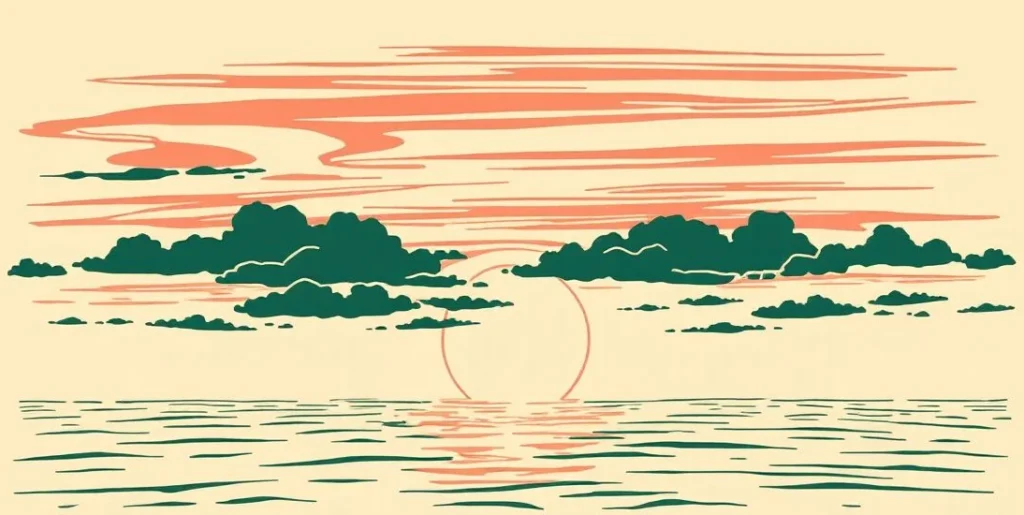
The sky, with its vastness and ever-changing nature, has always been a source of inspiration for writers and poets. Similes, a powerful tool in figurative language, allow us to paint vivid pictures of the sky by comparing it to familiar objects and concepts. Understanding and using similes effectively can enhance your writing, making it more descriptive and engaging.
Definition of Simile
A simile is a figure of speech that compares two unlike things using the words “like” or “as.” The purpose of a simile is to create a vivid image or enhance the understanding of one thing by relating it to something else. It is a powerful tool for descriptive writing, allowing authors to evoke emotions, create imagery, and add depth to their work. Similes are different from metaphors, as metaphors directly state that one thing is another, without using “like” or “as.”
For example, instead of saying “The sky was blue,” a simile might say “The sky was as blue as a robin’s egg.” This provides a more specific and evocative image.
Structural Breakdown of a Simile
A simile consists of three main components:
- The subject: The thing being described. In our case, this will usually be the sky or some aspect of it.
- The comparative word: The word “like” or “as” that establishes the comparison.
- The object of comparison: The thing to which the subject is being compared. This is ideally something familiar to the audience, so they can easily grasp the comparison.
The general structure is as follows:
Subject + Comparative Word (like/as) + Object of Comparison
For instance:
- The sky (subject) is like (comparative word) a vast ocean (object of comparison).
- The sky (subject) is as (comparative word) clear as crystal (object of comparison).
Understanding this structure is crucial for creating effective and meaningful similes.
Types of Similes
While all similes share the same basic structure, they can be categorized based on the type of comparison they make. Here are a few common types:
- Descriptive Similes: Focus on physical attributes such as color, shape, or texture.
- Emotional Similes: Evoke feelings or emotions associated with the subject.
- Action Similes: Compare actions or behaviors.
- Exaggerated Similes (Hyperbole): Use exaggeration for emphasis or humor.
Recognizing these types can help you craft more specific and impactful similes.
Examples of Similes for Sky
Here are numerous examples of similes for the sky, categorized to help you find the perfect one for your writing.
Similes Describing Sky Color and Appearance
The following table contains similes that describe the color and appearance of the sky, using a variety of comparisons to create vivid imagery.
| Simile | Explanation |
|---|---|
| The sky was as blue as a robin’s egg. | Emphasizes the bright, pure blue color of the sky. |
| The sky was like a canvas painted with shades of orange and pink. | Highlights the artistic blend of colors at sunset or sunrise. |
| The sky was as gray as a battleship. | Describes a dull, overcast sky, possibly indicating rain. |
| The sky was like a sapphire, sparkling in the sunlight. | Evokes a sense of brilliance and preciousness. |
| The sky was as black as velvet. | Describes a dark, starless night sky. |
| The sky was like a bruised plum after the storm. | The sky’s color looks like a plum after a storm. |
| The sky was as clear as glass. | Describes the sky’s transparency. |
| The sky was like a watercolor wash, soft and diffused. | Highlights the subtle, blended colors of the sky. |
| The sky was as red as fire at sunset. | Emphasizes the intensity of the sunset colors. |
| The sky was like a vast, empty room, waiting to be filled with stars. | Suggests the sky’s immensity and potential. |
| The sky was as white as milk. | Describes an overcast sky with a uniform white color. |
| The sky was like a swirling nebula of purple and gold. | Evokes a sense of cosmic wonder. |
| The sky was as pale as parchment. | Describes a washed-out, faded sky. |
| The sky was like a patchwork quilt of clouds and blue. | Highlights the varied patterns of a partly cloudy sky. |
| The sky was as deep as the ocean. | Emphasizes the sky’s seemingly endless depth. |
| The sky was like a sheet of ice, cold and unforgiving. | Describes a clear, but cold and unwelcoming sky. |
| The sky was as yellow as a lemon. | Describes an unusual, yellowish sky, perhaps during a dust storm. |
| The sky was like a smoky mirror, reflecting the city lights. | Highlights the sky’s reflective quality in an urban environment. |
| The sky was as bright as a diamond. | Emphasizes the sky’s brilliance and clarity. |
| The sky was like an artist’s palette, smeared with vibrant colors. | Highlights the dynamic and varied colors of the sky. |
| The sky was as green as jade. | Describes a rare greenish sky, perhaps during unusual weather conditions. |
| The sky was like a faded photograph, its colors muted and aged. | Evokes a sense of nostalgia or antiquity. |
| The sky was as inky as squid ink. | Describes the darkness of a night sky. |
| The sky was like a vast, inverted bowl of blue. | Emphasizes the sky’s encompassing shape. |
| The sky was as turquoise as a tropical sea. | Describes a vibrant, exotic blue sky. |
Similes Describing Sky Texture and Feel
This table focuses on similes that capture the texture and feel of the sky, appealing to the sense of touch and creating a more tactile experience for the reader.
| Simile | Explanation |
|---|---|
| The sky was like a soft blanket, enveloping the world. | Evokes a sense of comfort and warmth. |
| The sky was as smooth as silk. | Describes a clear, cloudless sky. |
| The sky was like a rough, textured fabric. | Highlights the unevenness of a cloudy sky. |
| The sky was as heavy as lead. | Describes a thick, oppressive sky, often before a storm. |
| The sky was like a crisp, clean sheet. | Evokes a sense of freshness and purity. |
| The sky was as thin as paper. | Describes a pale, almost transparent sky. |
| The sky was like a vast, airy dome. | Emphasizes the sky’s spaciousness and lightness. |
| The sky was as dense as fog. | Describes a sky filled with thick clouds or pollution. |
| The sky was like a stretched canvas, taut and expansive. | Highlights the sky’s vastness and readiness. |
| The sky was as fragile as glass. | Evokes a sense of delicacy and vulnerability. |
| The sky was like a comforting quilt, stitched with stars. | Evokes a sense of warmth and security at night. |
| The sky was as grainy as sandpaper. | Describes a sky with a rough, uneven texture due to clouds or haze. |
| The sky was like a heavy curtain, drawn across the day. | Emphasizes the sky’s ability to block out the sun. |
| The sky was as light as a feather. | Describes a bright, airy sky, full of sunlight. |
| The sky was like a thick, woolen shawl, keeping the world warm. | Evokes a sense of protection and comfort. |
| The sky was as coarse as burlap. | Describes a sky with a rough, uneven texture due to heavy cloud cover. |
| The sky was like a cool, refreshing breeze. | Evokes a sense of relief and invigoration. |
| The sky was as smooth as polished stone. | Describes a clear, unblemished sky. |
| The sky was like a torn tapestry, its colors faded and frayed. | Evokes a sense of age and decay. |
| The sky was as velvety as a rose petal. | Describes a sky with a soft, luxurious texture. |
| The sky was like a cool compress on a fevered brow. | Evokes a sense of soothing relief. |
| The sky was as taut as a drumhead. | Describes a sky stretched tight with anticipation. |
| The sky was like a vast, empty stage, waiting for the stars to perform. | Emphasizes the sky’s potential for drama and wonder. |
| The sky was as yielding as water. | Describes the sky’s fluid, ever-changing nature. |
| The sky was like a comforting embrace, holding the world close. | Evokes a sense of security and love. |
Similes Describing Sky and Emotions
This section presents similes that connect the sky to various emotions, allowing you to express feelings through the imagery of the sky.
| Simile | Explanation |
|---|---|
| The sky was as cheerful as a child’s laughter. | Evokes a sense of joy and innocence. |
| The sky was like a heavy heart, filled with sorrow. | Expresses feelings of sadness and grief. |
| The sky was as calm as a sleeping baby. | Describes a peaceful and tranquil sky. |
| The sky was like a raging fire, full of anger. | Expresses feelings of intense anger or turmoil. |
| The sky was as hopeful as a sunrise. | Evokes a sense of optimism and new beginnings. |
| The sky was like a dark cloud of despair. | Expresses feelings of hopelessness and gloom. |
| The sky was as serene as a quiet lake. | Describes a peaceful and undisturbed sky. |
| The sky was like a restless spirit, constantly changing. | Expresses feelings of unease and instability. |
| The sky was as excited as a crowd cheering. | Evokes a sense of energy and enthusiasm. |
| The sky was like a silent scream, full of unspoken pain. | Expresses feelings of hidden suffering. |
| The sky was as peaceful as a lullaby. | Evokes a sense of tranquility and comfort. |
| The sky was like a storm brewing, full of anticipation. | Expresses feelings of excitement and apprehension. |
| The sky was as lonely as a solitary star. | Evokes a sense of isolation and solitude. |
| The sky was like a comforting hug, enveloping the world in warmth. | Expresses feelings of love and security. |
| The sky was as fearful as a child lost in the dark. | Evokes a sense of vulnerability and anxiety. |
| The sky was like a triumphant banner, waving in the wind. | Expresses feelings of victory and pride. |
| The sky was as mysterious as a hidden treasure. | Evokes a sense of intrigue and wonder. |
| The sky was like a gentle whisper, offering solace and peace. | Expresses feelings of comfort and reassurance. |
| The sky was as anxious as a bird trapped in a cage. | Evokes a sense of restlessness and confinement. |
| The sky was like a canvas of dreams, filled with endless possibilities. | Expresses feelings of hope and inspiration. |
| The sky was as indifferent as a stone wall. | Evokes a sense of apathy and detachment. |
| The sky was like a playground of clouds, full of playful energy. | Expresses feelings of fun and lightheartedness. |
| The sky was as nostalgic as an old photograph. | Evokes a sense of longing for the past. |
| The sky was like a promise of a better tomorrow. | Expresses feelings of hope and optimism for the future. |
| The sky was as vulnerable as a newborn. | Evokes a sense of fragility and innocence. |
Similes Describing Sky and Nature
This table provides similes that compare the sky to various elements of nature, creating connections between the celestial and terrestrial worlds.
| Simile | Explanation |
|---|---|
| The sky was like a vast ocean, stretching to the horizon. | Compares the sky’s immensity to the ocean. |
| The sky was as clear as a mountain stream. | Describes the sky’s purity and clarity. |
| The sky was like a dense forest, filled with clouds. | Compares the sky’s complexity to a forest. |
| The sky was as fiery as a volcano. | Describes a sky with intense colors, like a sunset. |
| The sky was like a peaceful meadow, bathed in sunlight. | Evokes a sense of tranquility and warmth. |
| The sky was as rocky as a mountain range. | Describes a sky with rugged, uneven cloud formations. |
| The sky was like a flowing river, constantly changing. | Compares the sky’s dynamic nature to a river. |
| The sky was as cold as a glacier. | Describes a clear, but cold and unwelcoming sky. |
| The sky was like a blooming garden, filled with vibrant colors. | Evokes a sense of beauty and life. |
| The sky was as barren as a desert. | Describes a clear, empty sky. |
| The sky was like a canopy of leaves, filtering the sunlight. | Compares the sky to a protective covering. |
| The sky was as wild as a storm at sea. | Describes a turbulent and chaotic sky. |
| The sky was like a field of stars, scattered across the night. | Evokes a sense of wonder and vastness. |
| The sky was as deep as a canyon. | Emphasizes the sky’s seemingly endless depth. |
| The sky was like a blanket of snow, covering the world in white. | Evokes a sense of peace and stillness. |
| The sky was as lush as a rainforest. | Describes a sky filled with dense, vibrant clouds. |
| The sky was like a whispering wind, carrying secrets and dreams. | Evokes a sense of mystery and intrigue. |
| The sky was as ancient as the mountains. | Emphasizes the sky’s timelessness and enduring presence. |
| The sky was like a mirror reflecting the earth below. | Highlights the sky’s reflective quality. |
| The sky was as unpredictable as the weather. | Highlights the sky’s changing nature. |
| The sky was like a giant bird soaring high above. | Evokes a sense of freedom and perspective. |
| The sky was as pure as untouched snow. | Describes a clear, pristine sky. |
| The sky was like a river of light flowing across the land. | Evokes a sense of radiance and energy. |
| The sky was as still as a frozen lake. | Describes a calm, motionless sky. |
| The sky was like a symphony of colors, orchestrated by the sun. | Evokes a sense of harmony and beauty. |
Similes Describing Sky and Time
This table contains similes that relate the sky to different times of day and the passage of time, creating a sense of temporal context.
| Simile | Explanation |
|---|---|
| The sky was like a dawn breaking, full of promise. | Evokes a sense of new beginnings and hope. |
| The sky was as fleeting as a moment. | Describes the sky’s ephemeral nature. |
| The sky was like a sunset fading, bittersweet and beautiful. | Expresses feelings of nostalgia and beauty. |
| The sky was as endless as eternity. | Emphasizes the sky’s vastness and timelessness. |
| The sky was like a midday sun, powerful and unwavering. | Evokes a sense of strength and constancy. |
| The sky was as slow as a passing year. | Describes the sky’s gradual changes over time. |
| The sky was like a twilight hush, peaceful and serene. | Evokes a sense of tranquility and calm. |
| The sky was as constant as the changing seasons. | Highlights the sky’s cyclical nature. |
| The sky was like a sunrise painting, fresh and vibrant. | Evokes a sense of energy and renewal. |
| The sky was as ancient as time itself. | Emphasizes the sky’s enduring presence. |
| The sky was like a midnight dream, mysterious and enchanting. | Evokes a sense of wonder and intrigue. |
| The sky was as regular as the ticking of a clock. | Describes the predictability of the sky’s daily cycle. |
| The sky was like a dawn chorus, full of life and energy. | Evokes a sense of awakening and vitality. |
| The sky was as temporary as a passing cloud. | Describes the sky’s transient nature. |
| The sky was like a sunset serenade, soothing and reflective. | Evokes a sense of peace and contemplation. |
| The sky was as permanent as the North Star. | Emphasizes the sky’s steadfastness and reliability. |
| The sky was like a midday mirage, deceiving and alluring. | Evokes a sense of illusion and temptation. |
| The sky was as continuous as the flow of time. | Highlights the sky’s uninterrupted presence. |
| The sky was like a twilight tapestry, woven with shadows and light. | Evokes a sense of complexity and beauty. |
| The sky was as timeless as the universe itself. | Emphasizes the sky’s infinite and eternal nature. |
| The sky was like a sunrise symphony, grand and majestic. | Evokes a sense of awe and grandeur. |
| The sky was as brief as a shooting star. | Describes the sky’s fleeting moments of brilliance. |
| The sky was like a sunset lullaby, calming and comforting. | Evokes a sense of peace and relaxation. |
| The sky was as constant as the orbit of the planets. | Highlights the sky’s predictable patterns and movements. |
| The sky was like a midday painting, vivid and bright. | Evokes a sense of energy and clarity. |
Usage Rules for Similes
To effectively use similes, follow these guidelines:
- Ensure Clarity: The object of comparison should be familiar to the reader. If the comparison is obscure, the simile will be ineffective.
- Maintain Relevance: The comparison should be relevant to the subject being described. The shared characteristic should be significant and meaningful.
- Avoid Clichés: Overused similes can make your writing seem unoriginal. Strive for fresh and creative comparisons.
- Use Sparingly: Overusing similes can make your writing feel forced and unnatural. Use them judiciously to enhance, not overwhelm, your descriptions.
- Consider Context: The appropriateness of a simile depends on the context of your writing. A simile that works in a poem might not be suitable for a scientific report.
By adhering to these rules, you can ensure that your similes are both effective and impactful.
Common Mistakes When Using Similes
Here are some common mistakes to avoid when using similes:
| Mistake | Incorrect Example | Correct Example |
|---|---|---|
| Using a metaphor instead of a simile | The sky was a blue ocean. | The sky was like a blue ocean. |
| Using a cliché | The sky was as blue as the sky. | The sky was as blue as a peacock’s feather. |
| Making an illogical comparison | The sky was like a running shoe. | The sky was like a vast, open road. |
| Overusing similes | The sky was like a painting. The clouds were like cotton candy. The sun was like a spotlight. | The sky was a canvas painted with clouds like cotton candy, illuminated by the sun. |
| Being too vague | The sky was like a thing. | The sky was like a gentle hand, caressing the earth. |
By being aware of these common pitfalls, you can refine your simile usage and create more compelling descriptions.
Practice Exercises
Test your understanding of similes with these exercises. Fill in the blanks to complete the similes, or create your own similes based on the prompts.
| Exercise | Answer |
|---|---|
| 1. The sky was as ______ as a clear summer day. | blue |
| 2. The clouds were like ______ floating in the sky. | cotton candy |
| 3. The sunset was as ______ as a fiery inferno. | red |
| 4. The night sky was like a ______ scattered with diamonds. | black velvet |
| 5. The sky before the storm was as ______ as lead. | heavy |
| 6. Create a simile: Describe the sky during a sunrise. | The sky was like a painter’s canvas, streaked with hues of pink and gold. |
| 7. Create a simile: Describe the sky on a windy day. | The sky was like a restless sea, with clouds swirling like waves. |
| 8. The sky was as ______ as a mirror. | reflective |
| 9. The sky was like a _______ filling with stars. | vast ocean |
| 10. The sky was as _______ as the earth. | old |
| Exercise | Answer |
|---|---|
| 11. The sky looked _____ as a clear pool. | As clear |
| 12. The sky was _____ a gentle blanket over the world. | Like |
| 13. The clouds drifted _____ boats across the blue expanse. | Like |
| 14. The sky, after the rain, was _____ a clean slate. | Like |
| 15. The twilight sky was _____ a soft whisper fading into night. | Like |
| 16. Complete the simile: The sky was as silent as _____. | The grave |
| 17. The sky was _____ a grand cathedral, vast and awe-inspiring. | Like |
| 18. The sky was _____ a dark, bottomless pit during the eclipse. | Like |
| 19. The stormy sky was as _____ as a raging beast. | Fierce |
| 20. The sky appeared _____ a gateway to another world. | Like |
Advanced Practice: Write a short paragraph describing a scene where the sky plays a prominent role, using at least three different similes.
Advanced Topics in Simile Usage
Consider these more complex aspects of simile usage:
- Extended Similes: Developing a simile over multiple sentences or paragraphs to create a more detailed and nuanced comparison.
- Subverted Similes: Intentionally using a simile that defies expectations or creates a surprising contrast.
- Similes in Different Genres: Understanding how similes are used differently in poetry, prose, and other forms of writing.
- Cultural Sensitivity: Being aware of cultural differences in understanding and interpreting similes. A comparison that resonates in one culture may not in another.
Exploring these advanced topics can further refine your understanding and application of similes.
Frequently Asked Questions (FAQ)
- What is the difference between a simile and a metaphor?
A simile compares two things using “like” or “as,” while a metaphor directly states that one thing is another. For example, “The sky is like a blue ocean” is a simile, while “The sky is a blue ocean” is a metaphor.
- How can I avoid using clichés in my similes?
To avoid clichés, try to think of unique and unexpected comparisons. Instead of saying “as blue as the sky,” consider “as blue as a kingfisher’s wing.” Brainstorming and exploring different options can help you find fresh and original similes.
- How many similes should I use in a piece of writing?
There is no fixed rule, but it’s generally best to use similes sparingly. Too many similes can make your writing feel cluttered and unnatural. Use them strategically to enhance your descriptions, not to overwhelm them.
- Can a simile be too complex?
Yes, a simile can be too complex if the comparison is too obscure or difficult for the reader to understand. The object of comparison should be something relatively familiar to the audience. If the comparison requires too much explanation, it loses its effectiveness.
- How can I make my similes more vivid?
To make your similes more vivid, use specific and sensory details. Instead of saying “The sky was like a color,” say “The sky was like a vibrant, cerulean blue, reminiscent of a tropical lagoon.” Engaging the reader’s senses will make the simile more impactful.
- Is it okay to use similes in formal writing?
While similes are more common in creative writing, they can be used in formal writing if they enhance clarity and understanding. However, it’s important to use them judiciously and ensure they are appropriate for the tone and audience of the piece.
- What if I can’t think of any good similes?
If you’re struggling to come up with similes, try brainstorming a list of characteristics of the subject you’re describing. Then, think of objects or concepts that share those characteristics. Don’t be afraid to experiment and try different combinations until you find something that works.
- Can I use similes in dialogue?
Yes, similes can be used effectively in dialogue to reveal character and add authenticity to the voice of a speaker. However, be mindful of the character’s personality and background when choosing similes. A sophisticated character might use more complex similes than a simple one.