On this page9 sections
Idioms add color and depth to the English language, making conversations more engaging and expressive. Among the most relatable and universally understood are idioms about mothers. Mothers play a central role in many cultures, and their influence is reflected in the rich collection of idioms that describe their qualities, actions, and relationships. Understanding these idioms not only enhances your comprehension of the English language but also provides insights into cultural values and perspectives.
Definition of Idioms About Mothers
An idiom is a phrase or expression whose meaning cannot be understood from the literal meanings of its individual words. Instead, it has a figurative meaning that is widely recognized and accepted by native speakers of a language. Idioms about mothers are phrases that use the concept of motherhood to convey deeper meanings about care, protection, influence, or relationships. These idioms often draw on common perceptions and experiences associated with mothers, such as nurturing, guidance, and unconditional love. Understanding idioms about mothers involves recognizing their figurative meaning and using them appropriately in context.
These idioms are deeply rooted in cultural understandings of motherhood, and their use can add richness and nuance to communication. They serve to convey complex emotions and situations succinctly, often evoking shared experiences and sentiments. Whether it’s describing someone as ‘being under someone’s thumb’ (influenced by their mother) or talking about ‘mothering’ someone (caring for them deeply), these idioms provide a shorthand for expressing complex ideas.
Idioms related to mothers can be classified based on their function: descriptive idioms that characterize motherly traits, action-oriented idioms that describe actions a mother might take, and relational idioms that describe the dynamics between mothers and their children. Each type contributes uniquely to the tapestry of figurative language, offering insights into the multifaceted nature of motherhood.
Structural Breakdown of Idioms
Idioms, by their nature, defy strict grammatical rules because their meaning is not derived from the individual words but from the phrase as a whole. Analyzing the structure of idioms about mothers often involves identifying the key components and understanding how they contribute to the overall figurative meaning. Many idioms consist of a verb and a noun phrase, while others may include prepositions or adjectives.
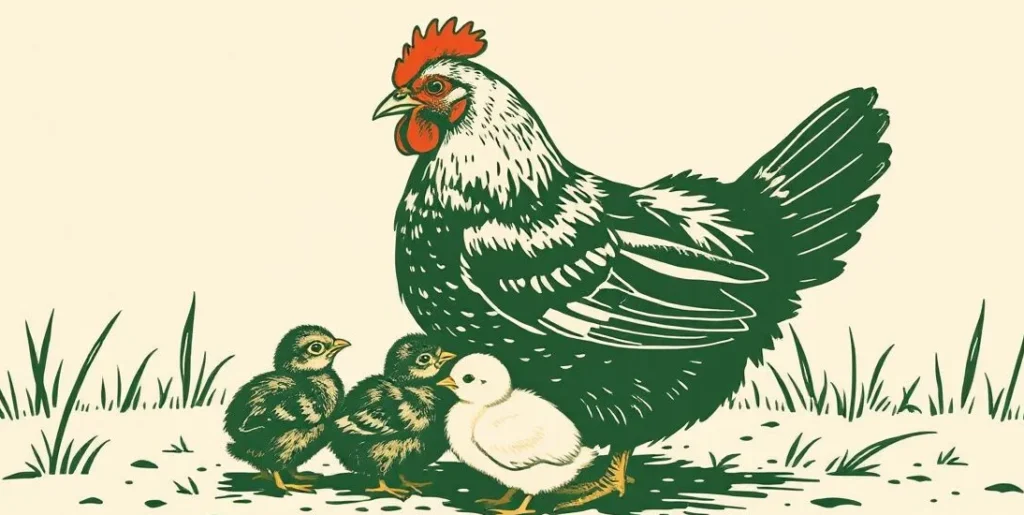
For example, in the idiom “to be tied to one’s mother’s apron strings,” the key components are the verb “to be tied,” the possessive pronoun “one’s,” and the noun phrase “mother’s apron strings.” The structure suggests a state of dependency or close attachment. Similarly, in the idiom “mother hen,” the structure is a simple noun phrase combining “mother” and “hen” to describe someone who is overly protective or controlling.
The structure of an idiom also includes its context. The same words can have different meanings depending on how they are used. Recognizing the structural elements helps in understanding how the idiom functions within a sentence. The idiomatic meaning is often figurative, contrasting with the literal meaning of the words, and this contrast is crucial for understanding and using the idiom correctly. Furthermore, idioms often carry cultural and historical weight, reflecting societal values and beliefs about motherhood.
Types and Categories of Idioms About Mothers
Idioms about mothers can be categorized based on the aspects of motherhood they represent. This helps in understanding their specific meanings and how they are used in different contexts. We can classify them into three main categories: idioms describing motherly characteristics, idioms describing motherly actions, and idioms describing mother-child relationships.
Idioms Describing Motherly Characteristics
These idioms focus on attributes commonly associated with mothers, such as being nurturing, protective, or wise. They describe the qualities that people often attribute to mothers and use these qualities to describe other people or situations figuratively. These idioms paint a picture of the ideal mother figure, emphasizing her positive traits.
Examples include “mother hen” (overly protective), “earth mother” (nurturing and caring), and “mother wit” (natural intelligence). Understanding these idioms involves recognizing the underlying characteristics they highlight and how these characteristics are being attributed to someone or something else.
Idioms Describing Motherly Actions
This category includes idioms that describe actions typically associated with mothers, such as nurturing, guiding, or scolding. These idioms often use verbs related to caregiving or parenting to convey a specific meaning. They can be used to describe actions performed by anyone, not just mothers, but the association with motherhood adds a layer of emotional depth.
Examples include “mothering” (taking care of someone), “smothering” (overly protective to the point of being stifling), and “ruling the roost” (being in charge, like a mother hen). These idioms provide a vivid way to describe actions and their impact on others.
Idioms Describing Mother-Child Relationships
These idioms focus on the dynamics between mothers and their children, including aspects like dependence, influence, and affection. They often reflect the complex and multifaceted nature of this relationship, highlighting both positive and negative aspects. These idioms can be used to describe similar relationships in other contexts, such as between mentors and mentees.
Examples include “tied to one’s mother’s apron strings” (dependent on one’s mother), “like mother, like daughter/son” (sharing similar traits), and “mama’s boy” (a man overly attached to his mother). These idioms capture the nuances of the mother-child bond and its influence on individuals’ lives.
Examples of Idioms About Mothers
To fully understand and effectively use idioms about mothers, it’s essential to see them in context. The following tables provide examples of each category, illustrating how these idioms are used in sentences and conversations. Each example is designed to clarify the meaning and usage of the idiom.
Examples Describing Motherly Characteristics
This table illustrates idioms that describe the characteristics of mothers. Each example shows the idiom used in a sentence, followed by an explanation of its meaning.
| Idiom | Example Sentence | Meaning |
|---|---|---|
| Mother hen | She’s such a mother hen; she always worries about everyone’s safety. | Someone who is overly protective and anxious about others. |
| Earth mother | She’s an earth mother, always nurturing and caring for those around her. | A woman who is nurturing, caring, and connected to nature. |
| Mother wit | He solved the problem using just his mother wit, without any formal training. | Natural intelligence or common sense. |
| A heart of gold | My mother has a heart of gold; she always puts others before herself. | Someone who is kind, generous, and compassionate. |
| The salt of the earth | She’s the salt of the earth, a genuinely good and honest person. | A person who is honest, reliable, and unpretentious. |
| A shoulder to cry on | Whenever I’m upset, my mother is always a shoulder to cry on. | Someone who provides comfort and support in times of distress. |
| Tough love | She raised her children with tough love, setting firm boundaries and expecting them to be responsible. | Discipline or affection that is stern and uncompromising, with the intent to help or encourage someone. |
| The glue that holds everything together | As the family matriarch, she was the glue that held everything together, keeping everyone connected and supported. | The person who provides stability, support, and cohesion to a group or organization. |
| The apple of one’s eye | Her youngest daughter was the apple of her eye, cherished and adored above all others. | A person who is greatly loved or cherished. |
| A tower of strength | During the crisis, she was a tower of strength for her family, providing unwavering support and resilience. | Someone who is strong, reliable, and supportive, especially in times of difficulty. |
| A second mother | My aunt has always been like a second mother to me, offering guidance and love. | Someone who provides motherly care and support, similar to a biological mother. |
| A guiding light | Her wisdom and experience made her a guiding light for her children, helping them navigate through life’s challenges. | Someone who provides guidance, inspiration, and direction. |
| A true matriarch | As the oldest member of the family, she was a true matriarch, respected and revered by all. | A woman who is the head of a family or community, especially one who is respected and influential. |
| A nurturing soul | She had a nurturing soul, always looking for ways to help and support others. | Someone who is naturally inclined to care for and support others. |
| A heart as big as the world | Her mother has a heart as big as the world; she’s always ready to help anyone in need. | Someone who is incredibly generous and compassionate. |
| The wind beneath my wings | She was the wind beneath my wings, supporting me in all my endeavors. | Someone who provides support and encouragement from behind the scenes. |
| The voice of reason | In times of conflict, she was always the voice of reason, offering calm and rational advice. | Someone who provides sensible and logical guidance. |
| A beacon of hope | During difficult times, she was a beacon of hope for her family, showing them that things would get better. | Someone who provides optimism and encouragement in challenging situations. |
| A constant source of inspiration | Her resilience and determination made her a constant source of inspiration for her children. | Someone who motivates and encourages others through their actions and character. |
| A fountain of wisdom | Whenever I needed advice, she was a fountain of wisdom, always offering insightful and helpful suggestions. | Someone who is knowledgeable and provides valuable advice. |
| The heart and soul of the family | She was the heart and soul of the family, bringing love and warmth to every gathering. | Someone who is central to the family’s identity and well-being. |
| A constant presence | Through thick and thin, she was a constant presence in her children’s lives, always there to support them. | Someone who is consistently available and supportive. |
| An unwavering supporter | She was an unwavering supporter of her children’s dreams, encouraging them to pursue their passions. | Someone who provides consistent and steadfast support. |
| Mother knows best | I wasn’t sure which job offer to accept, but mother knows best, and her advice turned out to be perfect. | A saying that a mother’s advice is usually right, even when her children resist it; often used with gentle humor. |
| A mother’s intuition | A mother’s intuition told her something was wrong before her son had said a word. | A mother’s instinctive sense of what her child is feeling, or that something is wrong, without being told. |
| The hand that rocks the cradle rules the world | They say the hand that rocks the cradle rules the world, because the values mothers teach at home shape the next generation. | A proverb, from a 19th-century poem, meaning that mothers have great influence on society through the way they raise their children. |
Examples Describing Motherly Actions
This table provides examples of idioms that describe actions typically associated with mothers. Each example shows the idiom used in a sentence, followed by an explanation of its meaning.
| Idiom | Example Sentence | Meaning |
|---|---|---|
| Mothering | She’s always mothering her younger brother, making sure he eats well and gets enough sleep. | Taking care of someone in a nurturing and protective way. |
| Smothering | His mother’s smothering love was starting to suffocate him; he needed more independence. | Being overly protective to the point of being stifling or controlling. |
| Ruling the roost | In that family, the mother rules the roost; everyone listens to her. | Being in charge and making all the important decisions. |
| Wearing the pants in the family | Everyone knows that she wears the pants in the family; she makes all the important decisions. | Being the dominant or controlling figure in a relationship or family. |
| Laying down the law | When the children started misbehaving, she laid down the law and set clear boundaries. | Setting strict rules and enforcing them firmly. |
| Keeping a watchful eye | She always kept a watchful eye on her children, ensuring they were safe and well. | Carefully monitoring and protecting someone or something. |
| Taking under one’s wing | She took the new employee under her wing, mentoring and guiding her. | Protecting and guiding someone who is new or inexperienced. |
| Nipping in the bud | She nipped the disagreement in the bud before it could escalate into a full-blown argument. | Stopping something at an early stage before it develops into something bigger. |
| Cooking up a storm | For the family reunion, she was cooking up a storm in the kitchen. | Preparing a large amount of food quickly and efficiently. |
| Making ends meet | She worked two jobs to make ends meet and provide for her children. | Managing to survive financially with limited resources. |
| Burning the midnight oil | She burned the midnight oil to finish her work and ensure her children had everything they needed. | Working late into the night. |
| Pulling out all the stops | For her daughter’s wedding, she pulled out all the stops to make it a perfect day. | Doing everything possible to achieve a desired outcome. |
| Going the extra mile | She always went the extra mile for her children, ensuring they had every opportunity to succeed. | Doing more than what is expected or required. |
| Moving heaven and earth | She moved heaven and earth to get her child the best medical care. | Doing everything possible to achieve something. |
| Putting out fires | As a mother, she was constantly putting out fires, resolving conflicts and solving problems. | Dealing with problems or crises as they arise. |
| Leading by example | She led by example, showing her children the importance of hard work and integrity. | Setting a good example for others to follow. |
| Instilling values | She instilled strong values in her children, teaching them the importance of honesty and respect. | Teaching someone important principles or beliefs. |
| Giving the shirt off one’s back | She would give the shirt off her back to help someone in need. | Being extremely generous and willing to sacrifice for others. |
| Laying the foundation | She laid the foundation for her children’s success by providing them with a good education and strong values. | Establishing the basic principles or structures upon which something can be built. |
| Patching things up | She was always patching things up between her children when they had disagreements. | Repairing or resolving conflicts or misunderstandings. |
| Setting the stage | She set the stage for her children’s achievements by creating a supportive and encouraging environment. | Preparing the conditions or circumstances for something to happen. |
| Providing a safety net | She provided a safety net for her children, ensuring they had support and resources when they needed them. | Offering security and protection in case of failure or difficulty. |
| Being a rock | During difficult times, she was a rock for her family, providing strength and stability. | Being a source of strength and support. |
| Taking the bull by the horns | She took the bull by the horns and addressed the family’s financial challenges head-on. | Confronting a difficult situation with courage and determination. |
Examples Describing Mother-Child Relationships
This table provides examples of idioms that describe the dynamics between mothers and their children. Each example shows the idiom used in a sentence, followed by an explanation of its meaning.
| Idiom | Example Sentence | Meaning |
|---|---|---|
| Tied to one’s mother’s apron strings | He’s still tied to his mother’s apron strings; he can’t make any decisions without her approval. | Dependent on one’s mother, often to an excessive degree. |
| Like mother, like daughter | She’s a talented artist, just like her mother; like mother, like daughter. | Sharing similar traits or characteristics with one’s mother. |
| Mama’s boy | Some people call him a mama’s boy because he’s so close to his mother. | A man who is overly attached to his mother. |
| The spitting image | She is the spitting image of her mother when she was younger. | Bearing a very close resemblance to someone, especially a parent. |
| Blood is thicker than water | Despite their disagreements, she always supported her brother because blood is thicker than water. | Family relationships are stronger than relationships with others. |
| Following in one’s footsteps | He is following in his mother’s footsteps by becoming a doctor. | Pursuing the same career or path as someone else, especially a parent. |
| Wearing one’s mother’s shoes | She is now wearing her mother’s shoes, taking on the responsibilities of caring for the family. | Taking on the role or responsibilities of someone else, especially a parent. |
| Learning at mother’s knee | She learned the basics of cooking at her mother’s knee. | Learning something from a young age from one’s mother. |
| Carrying the torch | She is carrying the torch for her family’s traditions. | Continuing a tradition or endeavor that has been started by someone else, especially a family member. |
| Being cut from the same cloth | They are cut from the same cloth, both being strong-willed and independent. | Having similar qualities or characteristics. |
| An old head on young shoulders | She is an old head on young shoulders, always offering wise advice. | Being wise or mature beyond one’s years. |
| A chip off the old block | He is a chip off the old block, just as stubborn as his father. | Resembling one’s parent in character. |
| The family tree | She spent years tracing her family tree to learn about her ancestors. | A diagram showing the relationships between members of a family over generations. |
| Keeping it in the family | They decided to keep the business in the family, passing it down to the next generation. | Keeping something within the family, such as a business or tradition. |
| The apple doesn’t fall far from the tree | He’s a talented musician, and his mother was a famous singer—the apple doesn’t fall far from the tree. | Children tend to resemble their parents in some way. |
| Born with a silver spoon in one’s mouth | She was born with a silver spoon in her mouth and never had to worry about money. | Born into wealth and privilege. |
| A family affair | The wedding was a family affair, with all relatives participating in the celebration. | An event or activity that involves all members of a family. |
| A black sheep of the family | He was always the black sheep of the family, never quite fitting in. | Someone who is considered an odd or disreputable member of a family. |
| Like two peas in a pod | They are like two peas in a pod, always together and sharing everything. | Being very similar and close to each other. |
| Birds of a feather flock together | They became fast friends because birds of a feather flock together. | People who are similar tend to associate with each other. |
| A house divided against itself cannot stand | The family was constantly arguing, and it was clear that a house divided against itself cannot stand. | A group or organization that is divided by internal conflict will not be successful. |
| Charity begins at home | She always helped her family first because charity begins at home. | One should take care of one’s own family and community before helping others. |
| Home is where the heart is | Even though she traveled the world, she knew that home is where the heart is. | One’s true home is where one feels most comfortable and loved. |
| Home sweet home | After a long journey, it was good to be back in home sweet home. | A phrase expressing the comfort and joy of being at home. |
| Taking after someone | She takes after her mother; they share the same laugh and the same love of gardening. | Resembling a parent or older relative in looks, character or habits. |
| Runs in the family | Musical talent runs in the family; her mother and grandmother were both singers. | Describes a trait, talent or condition shared by several generations of a family. |
| A carbon copy | Her daughter is a carbon copy of her in personality, from her patience to her sense of humor. | A person who is almost exactly like someone else, especially a parent. |
| Like two drops of water | She and her mother are like two drops of water; in old photos, people can’t tell them apart. | Looking exactly alike; also said as “as alike as two drops of water.” |
| Bred in the bone | Her kindness is bred in the bone; her mother and grandmother were exactly the same. | Describes a quality so deeply rooted, often passed down through a family, that it is unlikely to change (from the proverb “what’s bred in the bone will come out in the flesh”). |
| Brought up right | She was brought up right; she always thanks people and shows respect to her elders. | Raised by one’s parents to have good manners and sound values; also said as “raised right.” |
Usage Rules for Idioms About Mothers
Using idioms correctly requires understanding their specific meanings and contexts. Here are some general rules to follow when using idioms about mothers:
- Understand the Meaning: Make sure you fully understand the figurative meaning of the idiom. Using it incorrectly can lead to confusion or miscommunication.
- Consider the Context: Use idioms in appropriate contexts. Some idioms are more suitable for informal conversations, while others are acceptable in more formal settings.
- Avoid Overuse: Using too many idioms in a short space can make your speech or writing sound unnatural or forced.
- Know Your Audience: Be aware of your audience’s familiarity with idioms. If you’re speaking to non-native English speakers, it’s best to use idioms sparingly or explain their meanings.
- Maintain Grammatical Correctness: While idioms themselves may not follow strict grammatical rules, ensure that the surrounding sentence is grammatically correct.
For example, it’s correct to say, “She is mothering her friend,” but incorrect to say, “She is mothering to her friend.” The idiom “mothering” is a verb, and it should be used accordingly. Similarly, while “mama’s boy” is a common idiom, using it in a formal presentation would be inappropriate.
Common Mistakes When Using Idioms About Mothers
One of the most common mistakes is misinterpreting the meaning of the idiom. For example, someone might think “mother hen” refers to a kind and gentle mother, when it actually describes someone who is overly protective and anxious.
Another mistake is using the idiom in the wrong context. For instance, using “tied to one’s mother’s apron strings” to describe a young child is redundant because young children are naturally dependent on their mothers. This idiom is more appropriately used to describe an adult who is still overly dependent on their mother.
Here are some examples of incorrect and correct usage:
| Incorrect | Correct | Explanation |
|---|---|---|
| She’s a real mother hen, letting her children do whatever they want. | She’s a real mother hen, always worrying about her children’s safety. | “Mother hen” implies being overly protective, not permissive. |
| He’s mothering to his younger sister. | He’s mothering his younger sister. | “Mothering” is a verb and doesn’t require the preposition “to.” |
| Like mother, like son, he’s always on time. | Like father, like son, he’s always on time. | The idiom “like mother, like daughter” is gender-specific. |
| She rules the roost in her kindergarten class. | She rules the roost in her family. | “Rules the roost” is typically used to describe someone in charge within a family or household. |
| He is a “father’s boy.” | He is a “mama’s boy.” | The idiom for a son overly attached to his mother is “mama’s boy,” not “father’s boy.” |
Practice Exercises
Test your understanding of idioms about mothers with these practice exercises. Choose the correct idiom to complete each sentence.
| Question | Options | Answer |
|---|---|---|
| 1. She’s such a __________, always making sure everyone is comfortable and well-fed. | a) mother hen b) earth mother c) mama’s boy | b) earth mother |
| 2. He can’t make any decisions without asking his mother; he’s still ___________. | a) ruling the roost b) tied to his mother’s apron strings c) mothering | b) tied to his mother’s apron strings |
| 3. She __________ her younger brother, ensuring he studies and eats healthy. | a) smothering b) mothering c) ruling | b) mothering |
| 4. In that company, the CEO __________ and makes all the important decisions. | a) wears the pants b) lays down the law c) is the apple of one’s eye | a) wears the pants |
| 5. She is the ________ of her grandmother; they share the same artistic talent. | a) spitting image b) heart of gold c) guiding light | a) spitting image |
| 6. Despite his age, he still relies heavily on his mother; some might call him a __________. | a) chip off the old block b) mama’s boy c) old head on young shoulders | b) mama’s boy |
| 7. She __________ by ensuring her children understood the value of hard work. | a) led by example b) cooked up a storm c) pulled out all the stops | a) led by example |
| 8. She always __________ on her children, making sure they were safe and happy. | a) kept a watchful eye b) burned the midnight oil c) moved heaven and earth | a) kept a watchful eye |
| 9. After a long day, returning to her family was like coming __________. | a) home sweet home b) charity begins at home c) home is where the heart is | a) home sweet home |
| 10. She __________ for her daughter’s graduation party, making it unforgettable. | a) went the extra mile b) made ends meet c) nipped in the bud | a) went the extra mile |
| 11. They say that __________ rules the world, because mothers shape the values of the next generation. | a) the apple of one’s eye b) the hand that rocks the cradle c) the voice of reason | b) the hand that rocks the cradle |
| 12. She __________ her mother; they have the same laugh and the same stubborn streak. | a) looks after b) takes after c) takes over | b) takes after |
| 13. Musical talent __________; her mother and grandmother were both singers. | a) runs in the family b) rules the roost c) keeps it in the family | a) runs in the family |
| 14. I ignored Mom’s warning about the icy roads, but as usual, __________. | a) mother wit b) mother knows best c) mother hen | b) mother knows best |
Advanced Topics: Cultural Nuances
The understanding and usage of idioms about mothers can vary across cultures. Some idioms may be specific to certain regions or communities, reflecting unique cultural values and traditions. For example, idioms emphasizing filial piety (respect for elders) are more common in Asian cultures, while idioms emphasizing independence may be more prevalent in Western cultures.
Additionally, the connotations of certain idioms can differ across cultures. An idiom that is considered complimentary in one culture may be perceived as negative in another. For instance, while “mama’s boy” is often used in a derogatory way in some Western cultures, it may be viewed more positively in cultures where close family ties are highly valued.
Therefore, it’s essential to be aware of these cultural nuances when using idioms about mothers, especially when communicating with people from different cultural backgrounds. Understanding the cultural context can help you avoid misunderstandings and use idioms in a way that is respectful and appropriate.
Frequently Asked Questions (FAQ)
- What is an idiom?
An idiom is a phrase or expression whose meaning cannot be understood from the literal meanings of its individual words. It has a figurative meaning that is widely recognized and accepted by native speakers of a language.
- Why are idioms important in English?
Idioms add color and depth to the English language, making conversations more engaging and expressive. They help convey complex emotions and situations succinctly, often evoking shared experiences and sentiments.
- How can I improve my understanding of idioms?
Read widely, listen to native speakers, and pay attention to the context in which idioms are used. Practice using idioms in your own speech and writing to solidify your understanding.
- Are idioms the same in all cultures?
No, idioms are often culture-specific and may not translate directly into other languages. Understanding the cultural context is crucial for interpreting and using idioms correctly.
- Can I use idioms in formal writing?
Some idioms are suitable for formal writing, while others are more appropriate for informal conversations. Consider the tone and audience of your writing when deciding whether to use idioms.
- What should I do if I don’t understand an idiom?
Ask for clarification from a native speaker or consult a dictionary of idioms. Pay attention to the context in which the idiom is used to infer its meaning.
- Is it okay to use idioms when speaking with non-native English speakers?
It’s best to use idioms sparingly or explain their meanings when speaking with non-native English speakers. Overusing idioms can lead to confusion and hinder communication.
- How do I avoid misusing idioms?
Ensure you fully understand the meaning of the idiom and use it in an appropriate context. Practice using idioms in your own speech and writing, and seek feedback from native speakers.
- Why are there so many idioms about mothers?
Mothers play a central role in many cultures, and their influence is reflected in the rich collection of idioms that describe their qualities, actions, and relationships. These idioms often draw on common perceptions and experiences associated with mothers, such as nurturing, guidance, and unconditional love.
- Are idioms fixed expressions, or can they be changed?
Idioms are generally fixed expressions and should not be changed or altered. Changing an idiom can alter its meaning or make it incomprehensible. However, some idioms may have slight variations that are also acceptable.