
On this page9 sections
Loneliness is a universal human experience, a feeling that can be difficult to articulate directly. Similes, with their ability to draw comparisons between seemingly disparate things, offer a powerful tool for expressing the nuances of this emotion. Understanding how similes function and how they can be used to describe loneliness not only enhances our vocabulary but also deepens our understanding of figurative language and its impact on communication. It offers a comprehensive approach, covering everything from basic definitions to advanced applications, ensuring a thorough understanding of similes for loneliness.
Definition of a Simile
A simile is a figure of speech that compares two unlike things using the words “like” or “as.” Its primary function is to create a vivid image or convey a deeper meaning by drawing a parallel between the subject and something else. Similes are commonly used in literature, poetry, and everyday conversation to make descriptions more engaging and relatable. They help the audience understand abstract concepts by linking them to concrete, familiar ideas. In the context of loneliness, similes can be particularly effective in capturing the emotional and psychological state of being alone and isolated.
Similes differ from metaphors, which directly state that one thing is another. While both are forms of figurative language, similes offer a more explicit comparison, making them easier to identify and understand. The explicit comparison using “like” or “as” provides a clear connection between the two elements being compared. This clarity is especially useful when describing complex feelings such as loneliness, as it allows the writer to highlight specific aspects of the emotion.
Structural Breakdown of Similes
The basic structure of a simile consists of three main components: the subject (the thing being described), the linking word (“like” or “as”), and the object of comparison (the thing it is being compared to). Understanding this structure is crucial for creating effective and meaningful similes. The subject is the focal point, and the object of comparison provides a new perspective or understanding of that subject. The linking word acts as the bridge between the two, indicating that a comparison is being made.
For example, in the simile “He felt as lonely as a cloud,” “He” is the subject, “as” is the linking word, and “a cloud” is the object of comparison. This structure allows for a clear and concise comparison that evokes a specific image of loneliness. By understanding the roles of each component, you can manipulate them to create more nuanced and impactful similes.
Types of Similes for Loneliness
Similes for loneliness can be categorized based on the specific aspects of loneliness they emphasize. These categories can help writers choose the most appropriate simile to convey the intended meaning. Here are a few common types:
Similes Emphasizing Isolation
These similes focus on the feeling of being cut off from others, both physically and emotionally. They often use imagery of being alone in a vast or empty space. These are some of the most common and easily understood similes for loneliness, as they directly address the core feeling of being isolated.
Similes Emphasizing Emptiness
These similes highlight the lack of connection or fulfillment that often accompanies loneliness. They may use images of hollowness or absence to convey the feeling of emptiness. They delve deeper into the psychological aspect of loneliness, focusing on the internal void that it creates.
Similes Emphasizing Sadness
These similes connect loneliness to feelings of sadness, despair, or hopelessness. They often use imagery of tears, darkness, or decay to evoke these emotions. These similes are particularly powerful in conveying the emotional weight of loneliness.
Similes Emphasizing Vulnerability
These similes depict loneliness as a state of being exposed or defenseless. They may use imagery of fragility or weakness to convey the sense of vulnerability. These similes highlight the feeling of being unprotected and exposed to the world’s harshness.
Examples of Similes for Loneliness
The following tables provide extensive examples of similes for loneliness, categorized by the types discussed above. Each example is designed to illustrate how similes can be used to effectively convey different aspects of loneliness.
Examples Emphasizing Isolation
The following table presents examples of similes that emphasize the feeling of isolation. Each simile uses “like” or “as” to compare the feeling of loneliness to something that evokes a sense of being cut off or separated from others.
| Simile | Explanation |
|---|---|
| As alone as a single star in the night sky | Highlights the vastness of the space around the individual, emphasizing their isolation. |
| Like an island surrounded by a vast ocean | Conveys the feeling of being physically and emotionally separated from others. |
| As isolated as a lighthouse keeper | Emphasizes the solitary nature of the role, highlighting the lack of human contact. |
| Like a lone wolf howling in the wilderness | Suggests a sense of desperation and a yearning for connection. |
| As alone as a ship lost at sea | Conveys the feeling of being adrift and without direction or support. |
| Like a ghost wandering through empty halls | Emphasizes the feeling of being unseen and unheard. |
| As alone as a prisoner in a cell | Highlights the feeling of confinement and separation from the outside world. |
| Like a forgotten toy in an attic | Conveys the feeling of being neglected and abandoned. |
| As isolated as a hermit in a cave | Emphasizes the deliberate choice of solitude, but with an underlying sense of loneliness. |
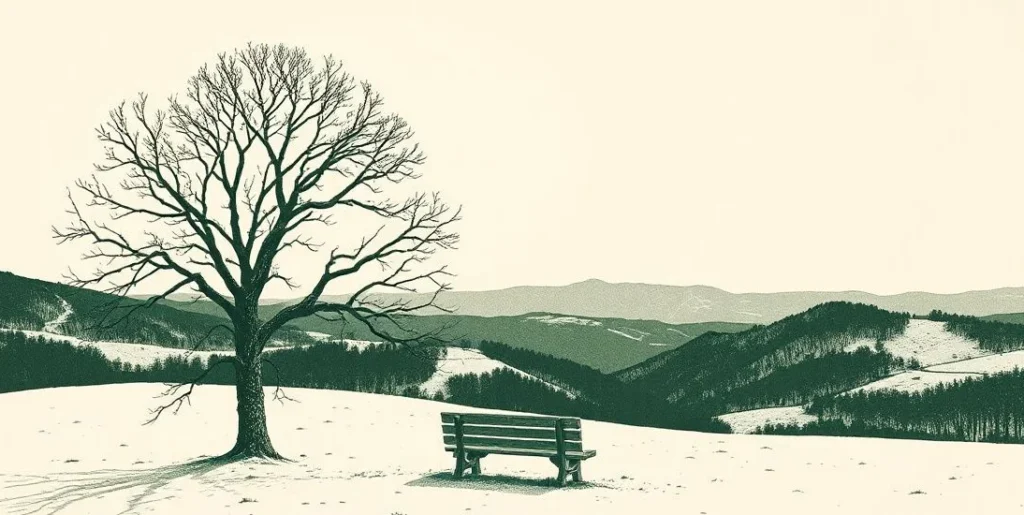
| Like a single tree standing in a barren field | Highlights the lack of surrounding life and connection. |
| As alone as a snowflake falling in a blizzard | Emphasizes the feeling of insignificance and being lost in a crowd. |
| Like a pebble on a deserted beach | Conveys the feeling of being small and insignificant in a vast, empty space. |
| As isolated as a satellite orbiting a distant planet | Highlights the physical distance and lack of communication. |
| Like a lone dandelion in a field of pavement | Emphasizes the feeling of being out of place and disconnected from the environment. |
| As alone as a silent movie in a digital age | Conveys the feeling of being outdated and irrelevant. |
| Like a single sock in a laundry basket | Emphasizes the feeling of being incomplete and missing a partner. |
| As isolated as a book on a shelf no one reads | Highlights the feeling of being overlooked and unappreciated. |
| Like a lone chess piece on an empty board | Conveys the feeling of being stranded and without purpose. |
| As alone as a forgotten language | Emphasizes the feeling of being irrelevant and without anyone to communicate with. |
| Like a scarecrow in an abandoned field | Highlights the feeling of being stationary and without companionship. |
| As alone as a fingerprint on a dusty window | Conveys the feeling of being temporary and easily overlooked. |
| Like a broken compass in the woods | Emphasizes the feeling of being lost and without direction. |
| As isolated as a memory fading away | Highlights the feeling of being forgotten and disappearing. |
| As invisible as a shadow in the dark | Highlights the feeling of being overlooked and ignored by everyone nearby. |
| Like a broken branch severed from the tree | Suggests being cut off from family, home, or one’s roots. |
| As separate as two ships passing in the night | Echoes the idiom “ships that pass in the night”: people who cross paths briefly and never truly connect. |
Examples Emphasizing Emptiness
This table presents similes that emphasize the feeling of emptiness associated with loneliness. These similes compare the feeling to things that are hollow, vacant, or lacking substance.
| Simile | Explanation |
|---|---|
| As empty as a hollow tree | Conveys the feeling of lacking inner substance and vitality. |
| Like a well that has run dry | Emphasizes the feeling of being depleted and unable to offer anything. |
| As empty as a vacant house | Highlights the absence of warmth, life, and connection. |
| Like a blank canvas waiting for paint | Conveys the feeling of potential unfulfilled due to the lack of connection. |
| As empty as a promise unkept | Emphasizes the feeling of disappointment and unfulfilled expectations. |
| Like a shell without its pearl | Conveys the feeling of lacking something precious or valuable. |
| As empty as a theater after the show | Highlights the feeling of silence and absence of excitement and energy. |
| Like a book with missing pages | Conveys the feeling of being incomplete and lacking essential parts. |
| As empty as a heart that’s stopped beating | Emphasizes the feeling of lifelessness and lack of emotion. |
| Like a mirror reflecting nothing | Conveys the feeling of lacking identity and purpose. |
| As empty as a forgotten birthday balloon | Emphasizes the feeling of deflated joy and uncelebrated existence. |
| Like a song without a melody | Conveys the feeling of lacking harmony and emotional richness. |
| As empty as a room without furniture | Highlights the absence of comfort and personal touch. |
| Like a sky without stars | Conveys the feeling of lacking wonder and inspiration. |
| As empty as a wallet without money | Emphasizes the feeling of lacking resources and support. |
| Like a garden without flowers | Conveys the feeling of lacking beauty and vitality. |
| As empty as a mind without thoughts | Highlights the feeling of mental stagnation and lack of stimulation. |
| Like a stage without actors | Conveys the feeling of lacking life and performance. |
| As empty as a fountain without water | Emphasizes the feeling of lacking refreshment and vitality. |
| Like a photograph without a subject | Conveys the feeling of lacking focus and purpose. |
| As empty as a glove without a hand | Highlights the feeling of being incomplete and lacking a partner. |
| Like a nest without eggs | Conveys the feeling of lacking potential and new beginnings. |
| As empty as a swing set without children | Emphasizes the feeling of lacking joy and playfulness. |
| As bare as a tree in winter | Highlights the absence of warmth, color, and vitality that loneliness can leave behind. |
Examples Emphasizing Sadness
The following table provides similes that emphasize the sadness associated with loneliness. These similes compare the feeling to things that evoke a sense of sorrow, despair, or melancholy.
| Simile | Explanation |
|---|---|
| As sad as a rainy day | Conveys the feeling of gloom and dreariness. |
| Like a weeping willow tree | Emphasizes the image of sorrow and drooping spirits. |
| As sad as a funeral dirge | Highlights the feeling of mourning and loss. |
| Like a song played in a minor key | Conveys the feeling of melancholy and somberness. |
| As sad as a forgotten grave | Emphasizes the feeling of being overlooked and unremembered. |
| Like a wilted flower | Conveys the feeling of fading beauty and vitality. |
| As sad as a broken heart | Highlights the feeling of emotional pain and loss. |
| Like a tear falling in the rain | Conveys the feeling of insignificance and being lost in a larger sorrow. |
| As sad as a silent scream | Emphasizes the feeling of suppressed pain and helplessness. |
| Like a shadow cast by the moon | Conveys the feeling of darkness and hidden sorrow. |
| As sad as a clown without an audience | Emphasizes the feeling of unappreciated efforts and concealed pain. |
| Like a bird with a broken wing | Conveys the feeling of being unable to soar and experience joy. |
| As sad as a book with a tragic ending | Highlights the feeling of inevitable sorrow and disappointment. |
| Like a photograph faded with time | Conveys the feeling of lost memories and past happiness. |
| As sad as a ghost story at midnight | Emphasizes the feeling of fear and unease. |
| Like a bell that no longer rings | Conveys the feeling of silenced joy and communication. |
| As sad as a melody without lyrics | Highlights the feeling of incomplete expression and emotional depth. |
| Like a candle burning in the wind | Conveys the feeling of fragility and impending loss. |
| As sad as a puppet with broken strings | Emphasizes the feeling of being controlled and manipulated. |
| Like an old photograph in a dusty album | Conveys the feeling of being forgotten and relegated to the past. |
| As sad as a lullaby sung to an empty crib | Highlights the feeling of unfulfilled nurturing and absence of a loved one. |
| Like a ship sailing away from shore | Conveys the feeling of parting and irreversible separation. |
| As sad as a shadow clinging to the wall | Emphasizes the feeling of being a mere trace of what once was. |
| Like a knife twisting in the heart | Describes loneliness as a sharp, deepening pain rather than a dull sadness. |
| As heavy as a stone in the stomach | Conveys the sinking, weighed-down feeling loneliness can leave in the body. |
| Like a wound that never heals | Highlights how long-lasting loneliness can keep hurting over time. |
| Like a constant ache in the bones | Suggests a deep, dull pain that never fully goes away. |
| Like a burning ember in the chest | Conveys a quiet, smoldering hurt that keeps burning inside. |
| As crushing as a weight on the shoulders | Shows loneliness as a burden the person carries everywhere. |
| Like a dark cloud hanging overhead | Uses a familiar image of lingering gloom that follows a person around. |
| Like a thorn stuck in the flesh | Describes a small but persistent pain that is impossible to ignore. |
| Like a punch to the gut | Captures a sudden, winding moment of loneliness, such as realizing you were left out. |
Examples Emphasizing Vulnerability
This table presents similes that emphasize the vulnerability associated with loneliness. These similes compare the feeling to things that are fragile, exposed, or defenseless.
| Simile | Explanation |
|---|---|
| As vulnerable as a newborn chick | Conveys the feeling of being helpless and unprotected. |
| Like a butterfly without its wings | Emphasizes the feeling of being unable to fly or escape. |
| As vulnerable as a turtle without its shell | Highlights the lack of protection and exposure to danger. |
| Like a seedling in a storm | Conveys the feeling of being fragile and easily damaged. |
| As vulnerable as a raw nerve | Emphasizes the feeling of being easily hurt or offended. |
| Like a house made of glass | Conveys the feeling of being exposed and transparent. |
| As vulnerable as a tightrope walker without a net | Highlights the feeling of being at risk of falling or failing. |
| Like a ship without an anchor | Conveys the feeling of being adrift and without stability. |
| As vulnerable as a secret whispered in the wind | Emphasizes the feeling of being exposed and easily revealed. |
| Like a flower without petals | Conveys the feeling of lacking beauty and protection. |
| As vulnerable as a child lost in a crowd | Emphasizes the feeling of fear and helplessness. |
| Like a bird with a broken wing | Conveys the feeling of being unable to fly or escape. |
| As vulnerable as a dream fading in the morning light | Highlights the feeling of being temporary and easily lost. |
| Like a whisper in a hurricane | Conveys the feeling of being easily drowned out and ignored. |
| As vulnerable as a single candle in a dark room | Emphasizes the feeling of being easily extinguished. |
| Like a bubble floating in the air | Conveys the feeling of being fragile and easily burst. |
| As vulnerable as a heart worn on a sleeve | Highlights the feeling of being emotionally exposed. |
| Like a sandcastle facing the tide | Conveys the feeling of being easily destroyed by external forces. |
| As vulnerable as a voice trembling in the dark | Emphasizes the feeling of fear and insecurity. |
| Like a leaf clinging to a branch in winter | Conveys the feeling of being barely holding on and vulnerable to the elements. |
| As vulnerable as a raindrop falling into the ocean | Highlights the feeling of being insignificant and easily lost. |
| Like a boat adrift without a sail | Conveys the feeling of being without direction and at the mercy of the currents. |
| As vulnerable as a thought unspoken | Emphasizes the feeling of being suppressed and unheard. |
Examples Emphasizing Longing for Connection
Loneliness is not only the absence of people; it is often an active pull toward them. These similes describe the reaching, waiting, and hoping side of feeling alone, which is useful when a character still wants company rather than having given up on it.
| Simile | Explanation |
|---|---|
| Like a plant reaching for sunlight | Presents the need for company as natural and basic, the way a plant needs light to grow. |
| As thirsty as a traveler in the desert | Conveys a strong, urgent need for companionship after a long time without it. |
| As eager as a dog waiting for its owner | Captures the hopeful waiting for someone to come back. |
| Like a moth drawn to a flame | Suggests an irresistible pull toward other people, even toward company that may not be good for you. |
| Like a ship searching for a harbor | Expresses the wish for a safe place to belong and rest. |
| As hopeful as a prisoner dreaming of freedom | Shows loneliness as a confinement the person longs to escape. |
| As desperate as a drowning person reaching for help | Conveys an urgent, almost panicked need for someone to reach back. |
| Like a hand outstretched in the dark | Highlights the vulnerability of reaching out without knowing whether anyone will respond. |
| Like a child waiting for their parents to come home | Captures the innocent, patient longing for someone familiar to return. |
| As incomplete as a sentence without a verb | Suggests that without other people, something essential is missing. |
| Like a body craving warmth | Presents the need for closeness and comfort as something almost physical. |
Similes for Different Types of Loneliness
Loneliness takes different forms, and knowing which kind you mean helps you choose a sharper comparison. Social loneliness comes from lacking a group to belong to; emotional loneliness from lacking one close, intimate bond; existential loneliness from feeling separate from the world itself; and situational loneliness from a temporary change such as a move or a loss.
| Simile | Explanation |
|---|---|
| Like a ghost in a crowded room | Social: being surrounded by people yet unseen and unnoticed by all of them. |
| As excluded as a child who wasn’t picked for the team | Social: the sting of being left out of a group everyone else seems to belong to. |
| Like a muted instrument in an orchestra | Social: being part of a group but unable to join in or be heard. |
| Like a heart without a home | Emotional: having no one close to belong to, even with plenty of acquaintances around. |
| As hollow as a laugh with no joy behind it | Emotional: laughing along with others while feeling no real closeness to them. |
| As insignificant as a grain of sand on a beach | Existential: feeling tiny and unnoticed against the size of the world. |
| As remote as a distant galaxy | Existential: a sense of distance from everyone that feels impossible to bridge. |
| Like a stranger in a foreign land | Situational: the out-of-place feeling that follows a move somewhere new. |
| As cut off as a phone with no service | Situational: being temporarily unable to reach the people you would normally turn to. |
Usage Rules for Similes
Using similes effectively involves following certain guidelines to ensure clarity and impact. Here are some key rules to keep in mind:
- Ensure the comparison is clear: The connection between the subject and the object of comparison should be easily understood. Avoid obscure or overly complex comparisons.
- Use appropriate linking words: “Like” and “as” are the standard linking words for similes. Choose the one that fits best grammatically and stylistically.
- Avoid clichés: While familiar similes can be effective, overused clichés can weaken your writing. Strive for originality and fresh perspectives.
- Consider the context: The appropriateness of a simile depends on the context in which it is used. Choose similes that align with the tone and subject matter of your writing.
- Be mindful of cultural differences: Some similes may have different connotations or meanings in different cultures. Be aware of your audience and choose similes that are universally understood or that are appropriate for the specific cultural context.
Effective similes should enhance the reader’s understanding and create a vivid image. They should also be relevant to the overall message and purpose of the writing.
Common Mistakes with Similes
Several common mistakes can weaken the effectiveness of similes. Understanding these errors can help you avoid them and create stronger, more impactful comparisons.
| Mistake | Incorrect Example | Correct Example | Explanation |
|---|---|---|---|
| Using clichés | He was as lonely as a dog. | He was as lonely as a stray dog searching for its owner. | Clichés are overused and lack originality. Replace them with more specific and imaginative comparisons. |
| Unclear comparison | She felt lonely like a Tuesday. | She felt as lonely as a house on Christmas Day. | The connection between the subject and the object of comparison should be clear and logical. |
| Inappropriate tone | He was as lonely as a unicorn. | He was as lonely as a forgotten photograph. | The simile should align with the tone and subject matter of the writing. |
| Overly complex comparison | She felt lonely like the quantum entanglement of two particles separated by vast distances. | She felt as lonely as a distant planet, light years away from any other life. | Similes should be easy to understand. Avoid overly technical or obscure comparisons. |
| Misusing “like” and “as” | He felt as lonely than a ghost. | He felt as lonely as a ghost. | Use “like” and “as” correctly to ensure grammatical accuracy. |
Avoiding these common mistakes will help you create similes that are clear, effective, and engaging.
Practice Exercises
Test your understanding of similes for loneliness with these practice exercises. Each exercise focuses on different aspects of simile construction and usage.
Exercise 1: Identifying Similes
Identify the similes in the following sentences.
| Question | Answer |
|---|---|
| 1. He felt as lonely as a cloud. | As lonely as a cloud |
| 2. Her heart was like a stone. | Like a stone |
| 3. The room was empty, like a tomb. | Like a tomb |
| 4. She was as isolated as a lighthouse keeper. | As isolated as a lighthouse keeper |
| 5. His voice sounded like a whisper in the wind. | Like a whisper in the wind |
| 6. The silence was as heavy as a stone. | As heavy as a stone |
| 7. He felt like a ghost in his own life. | Like a ghost |
| 8. Her smile was as rare as a sunny day in winter. | As rare as a sunny day in winter |
| 9. The memory lingered like a shadow. | Like a shadow |
| 10. She felt as lost as a ship without a sail. | As lost as a ship without a sail |
Exercise 2: Completing Similes
Complete the following similes with an appropriate object of comparison.
| Question | Answer |
|---|---|
| 1. As lonely as a _______. | As lonely as a deserted house. |
| 2. Like a _______ without water. | Like a desert without water. |
| 3. As isolated as a _______. | As isolated as a remote island. |
| 4. Like a _______ in the dark. | Like a whisper in the dark. |
| 5. As empty as a _______. | As empty as a hollow shell. |
| 6. Like a _______ without a song. | Like a bird without a song. |
| 7. As sad as a _______. | As sad as a rainy day. |
| 8. Like a _______ without a home. | Like a stray dog without a home. |
| 9. As vulnerable as a _______. | As vulnerable as a newborn baby. |
| 10. Like a _______ without a friend. | Like a traveler without a friend. |
Exercise 3: Writing Your Own Similes
Write your own similes to describe the following sentences.
| Question | Answer |
|---|---|
| 1. The feeling of being alone in a crowded room. | He felt as lonely as a single tree in a dense forest. |
| 2. The experience of being forgotten by friends. | She felt like a forgotten book on a dusty shelf. |
| 3. The sensation of having no one to talk to. | He was as isolated as a lighthouse keeper. |
| 4. The emotion of being disconnected from society. | She felt like an island surrounded by a vast ocean. |
| 5. The state of being emotionally empty. | He felt as empty as a hollow shell. |
| 6. The sadness of being alone on a holiday. | She was as sad as a Christmas tree after the holidays. |
| 7. The vulnerability of being without support. | He felt as vulnerable as a newborn chick. |
| 8. The feeling of being lost and without direction. | She was as lost as a ship without a sail. |
| 9. The fear of being alone in the dark. | He felt as scared as a child alone in the dark. |
| 10. The pain of being rejected by loved ones. | She felt as hurt as a broken heart. |
| 11. The awkwardness of sitting alone at a table set for two. | She sat there like a stage set for a play that would never be performed. |
| 12. The strangeness of moving to a town where you know no one. | He felt as out of place as a penguin in the Sahara. |
| 13. The silence of waking up in an empty house. | She felt like the last person on earth. |
| 14. Being the only one in the room who doesn’t get a joke. | He sat there like a foreigner listening to a language he didn’t know. |
Advanced Topics in Similes
Exploring more complex aspects of similes can enhance their writing skills. This includes understanding the use of extended similes, mixed metaphors, and the subtle differences between similes and analogies.
An extended simile is a simile that is developed over several lines or paragraphs, providing a more detailed and nuanced comparison. This technique allows writers to create a richer and more immersive experience for the reader.
A mixed metaphor combines two or more incompatible metaphors or similes, often creating a humorous or nonsensical effect. While mixed metaphors are generally avoided in formal writing, they can be used intentionally for comedic purposes.
Analogies are similar to similes in that they draw comparisons between two things. However, analogies typically involve more complex and abstract relationships than similes. While similes focus on specific similarities, analogies aim to explain or clarify a concept by drawing a parallel to something more familiar.
Frequently Asked Questions
Here are some frequently asked questions about similes and their usage:
- What is the difference between a simile and a metaphor?
A simile compares two things using “like” or “as,” while a metaphor directly states that one thing is another. Similes are more explicit comparisons, while metaphors are more implicit.
- Can a simile be a cliché?
Yes, a simile can be a cliché if it is overused and lacks originality. It’s best to avoid clichés and strive for fresh and imaginative comparisons.
- How do I create an effective simile?
To create an effective simile, ensure the comparison is clear, use appropriate linking words, avoid clichés, consider the context, and be mindful of cultural differences.
- What are some common mistakes to avoid when using similes?
Common mistakes include using clichés, making unclear comparisons, using an inappropriate tone, creating overly complex comparisons, and misusing “like” and “as.”
- How can similes enhance my writing?
Similes can enhance your writing by creating vivid images, conveying deeper meanings, making descriptions more engaging, and helping readers understand abstract concepts.
- Are similes only used in creative writing?
No, similes can be used in various forms of writing, including academic, journalistic, and technical writing, to clarify complex ideas and make them more relatable.
- Is it okay to use multiple similes in one paragraph?
Yes, but use them judiciously. Too many similes can make your writing feel cluttered and distracting. Ensure each simile adds value and enhances the description without overshadowing the main point.
- How do I choose the right object of comparison for a simile?
Choose an object of comparison that shares a relevant characteristic with the subject you are describing. The comparison should be logical and easily understood by your audience. Consider the tone and context of your writing to ensure the simile is appropriate.