
On this page9 sections
- Definition: Understanding Negative Thinking
- Structural Breakdown: Adjectives, Nouns, and Phrases
- Types and Categories of Pessimistic Descriptors
- Examples: Describing Negative Thinkers
- Usage Rules: Choosing the Right Word
- Common Mistakes: Avoiding Pitfalls
- Practice Exercises: Test Your Knowledge
- Advanced Topics: Nuances and Subtleties
- FAQ
While “negative” is a common descriptor, English offers a rich vocabulary to capture the subtle shades of pessimism.
Definition: Understanding Negative Thinking
Describing someone who always thinks negatively goes beyond simply labeling them “negative.” It involves understanding the spectrum of pessimistic thought patterns and the various ways these patterns manifest in behavior and communication. A negative thinker consistently anticipates unfavorable outcomes, focuses on potential problems, and interprets situations in the worst possible light. This can stem from various factors, including personality traits, past experiences, or psychological conditions. Understanding the root of their negativity is also important, but this article focuses on describing the behavior, not diagnosing its cause.
The term “negative thinker” encompasses a range of attitudes, from mild skepticism to deep-seated cynicism. It’s crucial to choose words that accurately reflect the intensity and specific characteristics of the person’s negativity. Some may be cautiously pessimistic, while others are chronically gloomy. The language we use should reflect that variation, avoiding broad generalizations and ensuring sensitivity to individual differences.
Structural Breakdown: Adjectives, Nouns, and Phrases
When describing someone who always thinks negatively, you can employ adjectives, nouns, or phrases. Each offers a unique way to convey the concept, with varying degrees of formality and impact.
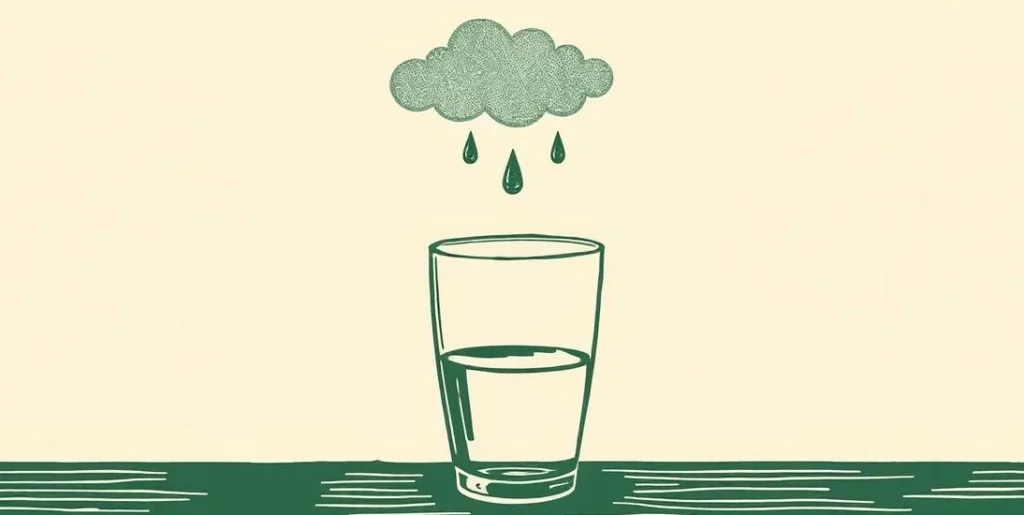
Adjectives directly modify the person or their behavior, providing a concise description. Examples include “pessimistic,” “cynical,” and “gloomy.” Nouns refer to the person as a negative type, such as “pessimist,” “cynic,” or “defeatist.” Phrases offer a more nuanced and descriptive approach, capturing the essence of their negative thinking through idiomatic expressions or longer descriptions. These can range from simple phrases like “always sees the glass half empty” to more complex sentences detailing their thought processes.
Understanding these structural differences allows for greater flexibility and precision in your writing and speaking. You can choose the form that best suits the context and the specific nuance you wish to convey.
Types and Categories of Pessimistic Descriptors
The English language offers a rich variety of words and phrases to describe someone who always thinks negatively. These can be broadly categorized into adjectives, nouns, and phrases, each with its own nuances and connotations.
Pessimistic Adjectives
Adjectives are direct descriptors that modify nouns. When describing a negative thinker, adjectives highlight the specific qualities of their pessimism.
These adjectives vary in intensity and focus. Some emphasize a general tendency towards negativity, while others highlight specific aspects, such as a lack of hope or a distrust of others.
Pessimistic Nouns
Nouns can be used to refer to someone as a type of negative thinker. These nouns often carry specific connotations and imply a certain level of ingrained pessimism.
Using nouns in this way can be more impactful than using adjectives, as it suggests that negativity is a core part of the person’s identity.
Pessimistic Phrases and Idioms
Phrases and idioms offer a more indirect and descriptive way to characterize someone who always thinks negatively. These expressions often capture the essence of pessimistic thinking in a vivid and memorable way.
These phrases can be more nuanced and expressive than single words, allowing you to convey the specific nature of the person’s negativity with greater detail.
Examples: Describing Negative Thinkers
To illustrate the use of these descriptors, let’s examine examples of how they can be applied in sentences. These examples are categorized by adjectives, nouns, and phrases.
Adjective Examples
The following table provides examples of sentences using different adjectives to describe someone who thinks negatively.
| Adjective | Example Sentence |
|---|---|
| Pessimistic | He’s always pessimistic about the future, expecting the worst. |
| Cynical | Her cynical outlook made it difficult to trust anyone. |
| Gloomy | The gloomy atmosphere reflected his constant negativity. |
| Bleak | He painted a bleak picture of the company’s prospects. |
| Defeatist | Her defeatist attitude prevented her from even trying. |
| Skeptical | He remained skeptical of the new plan, doubting its success. |
| Doubtful | She was doubtful that they could finish the project on time. |
| Negative | His negative comments brought down the whole team’s morale. |
| Fatalistic | He had a fatalistic view of life, believing everything was predetermined. |
| Morbid | Her morbid fascination with death was unsettling. |
| Melancholy | A melancholy air always surrounded him, even in joyous occasions. |
| Despondent | He was despondent after hearing the bad news. |
| Disheartened | She felt disheartened by the constant setbacks. |
| Discouraged | He became discouraged after failing the exam. |
| Jaundiced | He had a jaundiced view of politics, seeing corruption everywhere. |
| Sour | His sour disposition made him difficult to be around. |
| Acerbic | Her acerbic wit often masked her underlying pessimism. |
| Pessimistically-inclined | Being pessimistically-inclined, he always prepared for the worst outcome. |
| Foreboding | He had a foreboding feeling about the trip. |
| Apprehensive | She was apprehensive about the surgery. |
| Worried | He was constantly worried about something going wrong. |
| Anxious | She felt anxious about the presentation. |
| Distrustful | He was distrustful of strangers. |
| Suspicious | She was suspicious of his motives. |
| Oppressed | He felt oppressed by the weight of his responsibilities. |
| Crestfallen | She looked crestfallen after the rejection. |
| Dejected | He was dejected after losing the game. |
These examples demonstrate how adjectives can be used to precisely describe the specific type of negativity exhibited by an individual.
Noun Examples
The following table illustrates the use of nouns to refer to someone who always thinks negatively.
| Noun | Example Sentence |
|---|---|
| Pessimist | He’s such a pessimist; he always expects the worst. |
| Cynic | She’s a hardened cynic, believing everyone is selfish. |
| Defeatist | Don’t be a defeatist; we can still win this. |
| Doomsayer | The doomsayer predicted the end of the world was near. |
| Prophet of doom | He’s a real prophet of doom, always predicting disaster. |
| Worrier | She’s a constant worrier, always fretting about something. |
| Skeptic | As a skeptic, he demanded proof before believing anything. |
| Naysayer | He’s a perpetual naysayer, always shooting down new ideas. |
| Doubter | She remained a doubter, unconvinced by the evidence. |
| Misanthrope | He was a misanthrope, avoiding human contact whenever possible. |
| Malcontent | The malcontent constantly complained about everything. |
| Grump | He was an old grump, always scowling and complaining. |
| Curmudgeon | The curmudgeon refused to participate in the festivities. |
| Scofflaw | He was a scofflaw, ignoring all the rules and regulations. |
| Alarmist | The alarmist exaggerated the risks, causing unnecessary panic. |
| Complainer | She’s a constant complainer, never satisfied with anything. |
| Faultfinder | He’s a relentless faultfinder, always pointing out others’ mistakes. |
| Calamity howler | The calamity howler predicted widespread famine and disease. |
| Chicken Little | Don’t be a Chicken Little, the sky isn’t falling. |
| Gloom-monger | The gloom-monger spread rumors of impending economic collapse. |
| Woe betider | He acted like a woe betider, predicting only bad things would happen. |
| Tragedian | She was a tragedian, always exaggerating her misfortunes. |
| Killjoy | Don’t be such a killjoy, let’s have some fun. |
| Wet blanket | He’s such a wet blanket, always dampening the mood. |
| Downer | She’s a real downer, always bringing everyone else down. |
| Debbie Downer | She’s become such a Debbie Downer since losing her job. |
Using nouns effectively highlights the person’s inherent tendency towards negativity, making the description more impactful.
Phrase Examples
The following table provides examples of phrases used to describe someone who always thinks negatively.
| Phrase | Example Sentence |
|---|---|
| Sees the glass half empty | He always sees the glass half empty, focusing on what’s missing. |
| Looks on the dark side | She always looks on the dark side, expecting the worst possible outcome. |
| Predicts the worst | He always predicts the worst, no matter how positive the situation seems. |
| Focuses on the negative | She always focuses on the negative, ignoring the positive aspects. |
| Expects the worst | He always expects the worst, which makes him anxious. |
| Thinks negatively | She always thinks negatively, which affects her mood. |
| Is a harbinger of doom | He is a harbinger of doom, always forecasting terrible events. |
| Is always complaining | She is always complaining about something or other. |
| Never has a good word to say | He never has a good word to say about anything. |
| Is a misery guts | He is a misery guts, always looking glum and disapproving. |
| Brings a dark cloud | She brings a dark cloud wherever she goes. |
| Is a wet blanket on everything | He is a wet blanket on everything, ruining all the fun. |
| Is a party pooper | She is a party pooper, always finding fault with the celebrations. |
| Is a killjoy | He is a killjoy, always stopping others from enjoying themselves. |
| Is a spoilsport | She is a spoilsport, always ruining the game. |
| Always finds fault | He always finds fault with everything, never satisfied. |
| Is never happy | She is never happy, no matter what happens. |
| Is always down in the dumps | He is always down in the dumps, feeling depressed. |
| Has a face like a wet weekend | She has a face like a wet weekend, looking miserable all the time. |
| Is a doom merchant | He is a doom merchant, trading in bad news and future catastrophes. |
| Is a pessimist by nature | She is a pessimist by nature, seeing the negative in every situation. |
| Is always looking for the fly in the ointment | He is always looking for the fly in the ointment, searching for problems. |
| Is always anticipating trouble | She is always anticipating trouble, preparing for the worst. |
| Is a glass-half-empty kind of person | He is a glass-half-empty kind of person, always seeing what’s lacking. |
| Is a born pessimist | She is a born pessimist, negativity seems to be ingrained in her. |
| Has a pessimistic outlook on life | He has a pessimistic outlook on life, expecting things to go wrong. |
These phrases offer vivid and memorable ways to describe someone’s negative thinking patterns, adding depth and color to your descriptions.
Usage Rules: Choosing the Right Word
Choosing the right word to describe someone who always thinks negatively depends on the context, the intensity of the negativity, and the specific nuance you wish to convey. Consider the following guidelines:
- Intensity: Words like “pessimistic” and “cynical” are generally milder than “defeatist” or “fatalistic.” Choose words that accurately reflect the strength of the person’s negative tendencies.
- Context: Some words are more appropriate in formal settings, while others are better suited for informal conversations. For example, “naysayer” might be used in a business context, while “grump” is more common in casual conversation.
- Nuance: Consider the specific aspect of negativity you want to highlight. “Skeptical” emphasizes doubt, while “gloomy” focuses on sadness and despair.
- Sensitivity: Be mindful of the impact your words may have on the person you are describing. Avoid overly harsh or judgmental language.
By considering these factors, you can choose the most appropriate and effective words to describe someone who always thinks negatively.
Common Mistakes: Avoiding Pitfalls
When describing someone who always thinks negatively, it’s easy to fall into common traps. Here are some mistakes to avoid:
| Incorrect | Correct | Explanation |
|---|---|---|
| He is very negativity. | He is very negative. | “Negativity” is a noun; use the adjective “negative” to describe him. |
| She is a pessimism person. | She is a pessimistic person./She is a pessimist. | “Pessimism” is a noun; use the adjective “pessimistic” or the noun “pessimist.” |
| They are cynic. | They are cynical./They are cynics. | “Cynic” is a noun; use the adjective “cynical” or the plural noun “cynics.” |
| He always sees the glass full empty. | He always sees the glass half empty. | The correct idiom is “sees the glass half empty.” |
| She is expect the worst. | She expects the worst./She is expecting the worst. | The verb “expect” needs to be conjugated correctly. |
| He is a defeat. | He is defeatist./He is a defeatist. | “Defeat” is a verb or noun; use the adjective “defeatist” or the noun “defeatist.” |
| She is a gloom. | She is gloomy. | “Gloom” is a noun; use the adjective “gloomy.” |
| He is a doubt. | He is doubtful. | “Doubt” is a noun or verb; use the adjective “doubtful.” |
| They are a skepticism. | They are skeptical. | “Skepticism” is a noun; use the adjective “skeptical.” |
| She is a fatal. | She is fatalistic. | “Fatal” is an adjective with a different meaning; use “fatalistic.” |
By avoiding these common mistakes, you can ensure that your descriptions are accurate and grammatically correct.
Practice Exercises: Test Your Knowledge
Test your understanding of the different ways to describe someone who always thinks negatively with these exercises. Choose the best word or phrase to complete each sentence.
| Question | Answer Choices | Correct Answer |
|---|---|---|
| 1. He’s such a ________; he always expects the worst. | a) optimist b) pessimist c) realist | b) pessimist |
| 2. Her ________ outlook made it difficult to trust anyone. | a) cynical b) optimistic c) naive | a) cynical |
| 3. Don’t be so ________; we can still win this game. | a) defeatist b) enthusiastic c) confident | a) defeatist |
| 4. He always ________, focusing on what could go wrong. | a) sees the glass half full b) sees the glass half empty c) ignores the glass | b) sees the glass half empty |
| 5. She was ________ that they would succeed in their endeavor. | a) certain b) doubtful c) hopeful | b) doubtful |
| 6. He’s a real ________, always predicting disaster. | a) prophet of doom b) ray of sunshine c) source of inspiration | a) prophet of doom |
| 7. Her ________ comments brought down the whole team’s morale. | a) positive b) negative c) neutral | b) negative |
| 8. He had a ________ view of life, believing everything was predetermined. | a) optimistic b) fatalistic c) realistic | b) fatalistic |
| 9. She’s a constant ________, always fretting about something. | a) warrior b) worrier c) winner | b) worrier |
| 10. He’s a perpetual ________, always shooting down new ideas. | a) yes-sayer b) naysayer c) maybe-sayer | b) naysayer |
Exercise 2: Rewrite the following sentences using a different word or phrase to describe the negative thinker.
- He is a very pessimistic person. (Rewrite using an adjective)
- She always focuses on the negative aspects of the situation. (Rewrite using a noun)
- He is a constant complainer. (Rewrite using a phrase)
- She has a cynical outlook on life. (Rewrite using a noun)
- He is always expecting the worst. (Rewrite using an adjective)
- She is a real killjoy at parties. (Rewrite using a phrase)
- He is a doom merchant, always spreading bad news. (Rewrite using a noun)
- She is a glass-half-empty kind of person. (Rewrite using an adjective)
- He has a fatalistic view of the future. (Rewrite using a noun)
- She is a skeptic when it comes to new ideas. (Rewrite using an adjective)
Answers to Exercise 2:
- He is very pessimistic.
- She is a pessimist.
- He is always complaining about something.
- She is a cynic.
- He is pessimistic.
- She puts a damper on everything.
- He is a doomsayer.
- She is pessimistic.
- He is a fatalist.
- She is skeptical when it comes to new ideas.
Advanced Topics: Nuances and Subtleties
Beyond the basic vocabulary, there are more subtle ways to describe negative thinking. Consider the following advanced topics:
- Understatement: Using understatement to describe someone’s negativity can be particularly effective. For example, instead of saying “He is extremely pessimistic,” you could say “He tends to see the less rosy side of things.”
- Irony: Employing irony can highlight the absurdity of someone’s negative thinking. For example, “He’s such an optimist; he’s convinced everything will go wrong.”
- Figurative Language: Metaphors and similes can add depth and imagery to your descriptions. For example, “His negativity was like a dark cloud hanging over the room.”
- Psychological Terms: Familiarity with psychological terms like “cognitive distortions” or “negative self-talk” can provide a more precise and nuanced understanding of negative thinking patterns. However, use these terms cautiously and avoid diagnosing individuals without proper expertise.
Mastering these advanced techniques will allow you to describe negative thinkers with greater sophistication and impact.
FAQ: Frequently Asked Questions
- Is it always negative to be described as a “pessimist”?
Not necessarily. While “pessimist” generally carries a negative connotation, it can also imply realism or a cautious approach. In some situations, a pessimistic outlook can be beneficial, as it encourages thorough planning and risk assessment. - How can I describe someone’s negativity without being offensive?
Focus on describing their behavior and thought patterns, rather than labeling them directly. Use phrases like “He tends to focus on the negative aspects” or “She often expresses doubts about the outcome.” Avoid accusatory or judgmental language. - What’s the difference between “cynical” and “skeptical”?
“Skeptical” implies a healthy questioning attitude and a demand for evidence. “Cynical,” on the other hand, suggests a deep-seated distrust of others and a belief that people are motivated by selfishness. - Are there any positive aspects to negative thinking?
Yes, negative thinking can sometimes be beneficial. It can help identify potential problems, prepare for challenges, and avoid overconfidence. However, excessive negativity can be detrimental to mental health and relationships. - How can I help someone who always thinks negatively?
Encourage them to focus on the positive aspects of situations, challenge their negative thoughts, and seek professional help if needed. Be patient and understanding, and avoid dismissing their feelings. - What are some other words for someone who is always complaining?
Some other words to describe someone who is always complaining include: grumbler, moaner, whiner, complainer, fault-finder, and malcontent. Each word has a slightly different nuance, so choose the one that best fits the specific situation. - Is there a difference between being realistic and being pessimistic?
Yes, while both realists and pessimists may acknowledge potential negative outcomes, a realist strives to have an unbiased view of a situation, considering both positive and negative aspects. A pessimist, on the other hand, tends to focus primarily on the negative, often overlooking or downplaying the positive aspects. Realism is about seeing things as they are, while pessimism is about expecting the worst. - How do cultural differences affect the perception of pessimism?
Cultural norms can significantly influence how pessimism is perceived. In some cultures, a more cautious or reserved outlook might be considered prudent, while in others, optimism and enthusiasm are highly valued. What is seen as realism in one culture might be viewed as negativity in another. It’s important to be aware of these cultural differences when interpreting and describing someone’s outlook.