
On this page9 sections
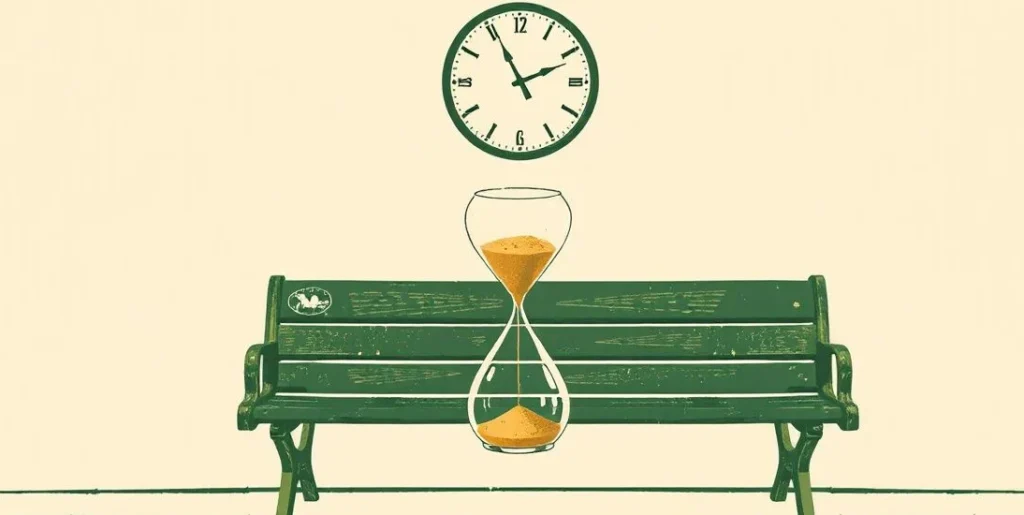
Waiting is a universal experience, yet its emotional texture varies widely. To capture this complexity, we often turn to metaphors – figures of speech that paint vivid pictures of our experience with delays and anticipation. Understanding these metaphors is crucial for effective communication and nuanced comprehension of English literature and everyday conversation.
Defining Metaphors for Waiting
A metaphor is a figure of speech that directly compares two unrelated things, asserting that they are the same in some aspect. Unlike similes, which use “like” or “as” to make a comparison, metaphors imply a direct equivalence. Metaphors for waiting, therefore, describe the experience of waiting by relating it to something else, often to convey the emotional, temporal, or physical sensations associated with it. These metaphors help us understand and express the abstract concept of waiting in a more concrete and relatable way.
The function of these metaphors is multifaceted. Firstly, they add color and vividness to our language, making it more engaging and memorable. Secondly, they provide a deeper understanding of the experience of waiting, highlighting its various dimensions. Finally, they allow us to communicate our feelings and perceptions more effectively, connecting with others on an emotional level.
The context in which these metaphors are used is crucial. A metaphor that works well in one situation may be inappropriate in another. The audience, the purpose of the communication, and the overall tone all influence the choice of metaphor. For instance, a formal business setting might call for more restrained metaphors, while a casual conversation with friends might allow for more playful and imaginative ones.
Structural Breakdown of Waiting Metaphors
The structure of a waiting metaphor typically involves two key elements: the tenor and the vehicle. The tenor is the subject being described (in this case, the act of waiting), and the vehicle is the object or concept to which it is being compared.
Consider the metaphor “Waiting is a prison.” Here, “waiting” is the tenor, and “a prison” is the vehicle. The metaphor suggests that waiting feels confining, restrictive, and unpleasant, much like being in prison. The effectiveness of the metaphor depends on the shared understanding of the characteristics associated with the vehicle (a prison) and how those characteristics relate to the tenor (waiting).
The connection between the tenor and the vehicle is often implicit, relying on the reader or listener to make the association. This implicit connection is what gives metaphors their power and allows for multiple interpretations. A well-chosen metaphor can resonate with different people in different ways, depending on their individual experiences and perspectives.
The strength of a metaphor lies in its ability to create a vivid and memorable image in the mind of the audience. This is achieved by selecting a vehicle that is both familiar and evocative, and by using language that is precise and descriptive. A weak metaphor, on the other hand, may be vague, confusing, or simply uninspired.
Types of Waiting Metaphors
Metaphors for waiting can be categorized based on the aspect of waiting they emphasize. Here are some common types:
Temporal Metaphors
These metaphors focus on the duration or pace of waiting, often using terms related to time itself. They describe how waiting feels in terms of its perceived length or speed.
Examples include: “Time crawled,” “Waiting stretched on forever,” “The days dragged,” and “The clock ticked mockingly.” These metaphors highlight the subjective experience of time slowing down when one is waiting.
Physical Metaphors
These metaphors describe waiting in terms of physical sensations or actions. They often involve feelings of confinement, discomfort, or physical exertion.
Examples include: “Waiting is a heavy burden,” “I was chained to my desk,” “He was stuck in limbo,” and “She felt trapped in time.” These metaphors emphasize the physical and spatial aspects of waiting, making it feel tangible and oppressive.
Emotional Metaphors
These metaphors focus on the emotional impact of waiting, highlighting feelings of anxiety, frustration, hope, or despair. They describe the emotional rollercoaster that often accompanies waiting.
Examples include: “Waiting is a torment,” “Hope was a fragile ember,” “Anxiety gnawed at her,” and “Despair settled in like a fog.” These metaphors delve into the psychological effects of waiting, capturing the emotional turmoil it can create.
Animalistic Metaphors
These metaphors compare waiting to the behavior or characteristics of animals, often to convey impatience, restlessness, or a sense of being caged.
Examples include: “He paced like a caged tiger,” “She was as still as a mouse,” “They circled like vultures,” and “He was chomping at the bit.” These metaphors use animal imagery to depict the physical and emotional state of someone waiting.
Nature Metaphors
These metaphors use elements of nature to describe waiting, often focusing on growth, decay, or the passage of time. They can evoke feelings of anticipation, patience, or resignation.
Examples include: “Waiting is like watching grass grow,” “Patience is a seed that needs time to bloom,” “Hope withered like a dying flower,” and “The answer will come like the changing of the seasons.” These metaphors draw on the natural world to illustrate the processes and emotions associated with waiting.
Examples of Waiting Metaphors
This section provides extensive examples of waiting metaphors, categorized for clarity. Each table offers a diverse range of expressions to illustrate the different facets of waiting.
The following table showcases temporal metaphors, highlighting how time perception is altered during periods of waiting.
| Metaphor | Explanation |
|---|---|
| Time stood still. | Waiting felt like an eternity; no progress was perceived. |
| The clock was a tormentor. | Each tick of the clock amplified the anxiety of waiting. |
| Minutes stretched into hours. | The duration of waiting felt disproportionately long. |
| Time crawled by. | The passage of time was excruciatingly slow. |
| The days dragged on. | Each day felt long and tedious due to the waiting. |
| Waiting was a time warp. | The sense of time was distorted, making it feel unreal. |
| The future was a distant shore. | The awaited event felt unattainable and far away. |
| Now felt like never. | The present moment was consumed by the anticipation, making it feel endless. |
| Each second was an age. | Every moment of waiting felt incredibly long and significant. |
| The wait was a timeless void. | Waiting felt like being suspended in a space where time had no meaning. |
| The calendar mocked her. | The passing dates served as a constant reminder of the ongoing wait. |
| Years seemed to pass in moments. | The intensity of the waiting made time feel both prolonged and fleeting. |
| The deadline loomed like a mountain. | The approaching deadline felt overwhelming and insurmountable. |
| The wait had no end in sight. | There was no indication of when the waiting would be over. |
| Time was a thief, stealing precious moments. | The waiting felt like a waste of valuable time. |
| The anticipation was a slow burn. | The excitement and anxiety of waiting gradually intensified over time. |
| The future was a mirage. | The awaited outcome seemed tantalizingly close but ultimately unattainable. |
| The clock’s hands were glaciers. | The movement of the clock hands was perceived as incredibly slow and imperceptible. |
| The wait echoed through eternity. | Waiting felt limitless and never-ending. |
| Each tick was a hammer blow to her patience. | Every passing moment chipped away at her ability to remain calm. |
| The future was a locked door. | The desired outcome was inaccessible and out of reach. |
| Time was a thick syrup, slow and heavy. | The passage of time felt sluggish and burdensome. |
The following table presents physical metaphors, illustrating the bodily sensations associated with waiting.
| Metaphor | Explanation |
|---|---|
| Waiting is a heavy burden. | It feels like a physical weight, tiring and draining. |
| He was chained to his desk. | He felt restricted and unable to move freely. |
| She was stuck in limbo. | She felt trapped in an uncertain and transitional state. |
| Waiting was a cage. | It felt confining and restrictive, limiting her freedom. |
| He was paralyzed by anticipation. | He felt unable to act due to the overwhelming anticipation. |
| She felt trapped in time. | She experienced a sense of being stuck in the present moment. |
| Waiting was a vise grip on her chest. | It caused physical discomfort and anxiety. |
| He was drowning in anticipation. | He felt overwhelmed by the intensity of his expectations. |
| She was nailed to the spot. | She felt unable to move or take action. |
| Waiting was a tightrope walk. | It required careful balance and constant vigilance. |
| He was tethered to the phone. | He felt bound by the need to be available for a call. |
| She was cemented in place. | She felt unable to escape her current situation. |
| Waiting was a marathon. | It required endurance and persistence. |
| He was held hostage by hope. | He felt captive to his own expectations. |
| She was pinned under the weight of expectation. | She felt crushed by the pressure to succeed. |
| Waiting was a straitjacket. | It felt constricting and suffocating. |
| He was glued to the window. | He felt compelled to watch for something to happen. |
| She was anchored to the past. | She felt unable to move forward due to unresolved issues. |
| Waiting was a lead weight in her stomach. | It caused a feeling of unease and anxiety. |
| He was chained to his responsibilities. | He felt bound by his obligations. |
| She was imprisoned by her own fears. | She felt trapped by her anxieties. |
| Waiting was an endless corridor. | It felt long, monotonous, and without a clear end. |
| He was bound by red tape. | He was constrained by bureaucratic processes. |
The following table highlights emotional metaphors, capturing the psychological impact of waiting.
| Metaphor | Explanation |
|---|---|
| Waiting is a torment. | It causes intense mental suffering and distress. |
| Hope was a fragile ember. | Hope was delicate and easily extinguished. |
| Anxiety gnawed at her. | Anxiety caused persistent worry and unease. |
| Despair settled in like a fog. | Despair gradually enveloped her, obscuring hope. |
| Waiting was a silent scream. | It caused intense inner turmoil that couldn’t be expressed. |
| Patience was a dwindling resource. | The ability to remain calm was diminishing over time. |
| Frustration boiled over. | Anger and irritation reached a breaking point. |
| Hope flickered like a candle in the wind. | Hope was unstable and threatened by uncertainty. |
| Waiting was a test of endurance. | It challenged her ability to remain strong and resilient. |
| Anticipation was a double-edged sword. | It brought both excitement and anxiety. |
| Fear was a constant companion. | Fear accompanied her throughout the waiting period. |
| Doubt crept in like a thief. | Doubt gradually eroded her confidence. |
| Waiting was a crucible. | It was a transformative experience that tested her character. |
| Resignation settled in like a shroud. | Acceptance of the situation enveloped her, bringing a sense of finality. |
| Disappointment was a bitter pill. | The outcome was unpleasant and difficult to accept. |
| Waiting was a minefield of emotions. | It was fraught with potential for emotional distress. |
| Peace was a distant memory. | The waiting had disrupted her sense of calm and tranquility. |
| Waiting was a dark cloud overhead. | It cast a shadow over her mood and outlook. |
| Optimism was a fragile butterfly. | Positive feelings were delicate and easily crushed. |
| The suspense was a taut wire. | The tension was palpable and almost unbearable. |
| Her nerves were frayed. | She was on edge and easily agitated. |
| Waiting was a mental labyrinth. | It was confusing and disorienting. |
| Hope was a lifeline. | It was the only thing keeping her going. |
The following table presents animalistic metaphors, using animal characteristics to illustrate the experience of waiting.
| Metaphor | Explanation |
|---|---|
| He paced like a caged tiger. | He was restless and agitated, unable to remain still. |
| She was as still as a mouse. | She was quiet and motionless, trying not to draw attention. |
| They circled like vultures. | They were eagerly awaiting an opportunity to capitalize on the situation. |
| He was chomping at the bit. | He was impatient and eager to start. |
| She waited like a hawk, eyes fixed on its prey. | She was focused and vigilant, ready to pounce at any moment. |
| He was as patient as a spider in its web. | He was willing to wait for an opportunity to present itself. |
| She felt like a lamb to the slaughter. | She felt helpless and vulnerable, awaiting an unpleasant fate. |
| He was snarling with impatience. | He was visibly angry and frustrated by the delay. |
| She was as quiet as a cat stalking its prey. | She was stealthy and observant, waiting for the right moment. |
| He felt like a fish out of water. | He felt uncomfortable and out of place while waiting. |
| She was as busy as a bee, trying to distract herself. | She was actively engaged in activities to avoid dwelling on the wait. |
| He was as stubborn as a mule, refusing to give up hope. | He was determined and persistent, despite the challenges. |
| She felt like a caged bird, longing for freedom. | She felt restricted and yearning to escape her current situation. |
| He was as sly as a fox, plotting his next move. | He was cunning and strategic, planning how to achieve his goals. |
| She waited like a lioness, protecting her cubs. | She was fiercely protective and determined to ensure the well-being of her loved ones. |
| He was as slow as a snail, making little progress. | He was moving at a glacial pace, with minimal advancement. |
| She felt like a trapped butterfly, struggling to break free. | She felt confined and desperate to escape her limitations. |
| He was as vigilant as a guard dog, always on alert. | He was watchful and attentive, ready to respond to any threat. |
| She waited like an owl, wise and observant. | She was perceptive and insightful, carefully assessing the situation. |
| He was howling with frustration. | He was audibly expressing his anger and impatience. |
| She was as timid as a fawn, afraid to make a move. | She was hesitant and cautious, fearful of taking risks. |
The following table presents nature metaphors, using elements of the natural world to describe the experience of waiting.
| Metaphor | Explanation |
|---|---|
| Waiting is like watching grass grow. | It is a slow and seemingly uneventful process. |
| Patience is a seed that needs time to bloom. | It requires nurturing and time to develop into something beautiful. |
| Hope withered like a dying flower. | Hope diminished and faded away. |
| The answer will come like the changing of the seasons. | It will arrive in due time, as part of a natural cycle. |
| Waiting was a desert, barren and unforgiving. | It felt empty and devoid of progress. |
| Patience is a mountain, requiring strength to climb. | It demands resilience and perseverance. |
| Hope was a lighthouse in the storm. | It provided guidance and reassurance during a difficult time. |
| Waiting was a long, dark winter. | It felt bleak and challenging. |
| Anticipation was a rising tide. | It gradually increased in intensity. |
| Frustration was a wildfire, spreading uncontrollably. | Anger and irritation escalated rapidly. |
| Waiting was a dense fog, obscuring the future. | It made the outcome uncertain and unclear. |
| Patience is a river, flowing steadily towards its destination. | It is a continuous and unwavering process. |
| Hope was a rainbow after the rain. | It appeared as a symbol of promise and renewal after a difficult period. |
| Waiting was a barren field, yielding no results. | It was unproductive and fruitless. |
| Patience is a tree, growing stronger with each passing year. | It develops resilience and stability over time. |
| Hope was a fragile sapling, needing protection. | It was vulnerable and required careful nurturing. |
| Waiting was a vast ocean, seemingly endless. | It felt boundless and without limits. |
| Patience is a seed, planted in fertile ground. | It has the potential to grow and flourish. |
| Hope was a star, shining brightly in the night sky. | It provided inspiration and guidance. |
| Waiting was a parched land, craving rain. | It felt empty and longing for fulfillment. |
| Patience is the sun, warming the earth. | It brings comfort and positivity. |
Usage Rules for Waiting Metaphors
Using metaphors effectively requires sensitivity to context and audience. Here are some guidelines:
- Clarity: Choose metaphors that are easily understood and relevant to the topic. Avoid obscure or overly complex comparisons.
- Originality: Strive for fresh and imaginative metaphors that capture the audience’s attention. Overused metaphors can sound clichéd and uninspired.
- Consistency: Maintain a consistent tone and style throughout your writing. Avoid mixing metaphors that clash or create a jarring effect.
- Appropriateness: Consider the audience and the purpose of your communication. A metaphor that is appropriate in one context may be unsuitable in another.
- Relevance: Ensure that the metaphor accurately reflects the experience of waiting. Choose comparisons that highlight the key aspects of the situation.
Exceptions may occur in creative writing, where unconventional metaphors can be used to create a unique and thought-provoking effect. However, in most cases, it is best to adhere to the guidelines above to ensure clarity and effectiveness.
Common Mistakes with Waiting Metaphors
Here are some common mistakes to avoid when using metaphors for waiting:
- Mixed metaphors: Combining two or more metaphors that are incompatible or create a nonsensical image.
- Incorrect: “He was skating on thin ice while also juggling fire.”
- Correct: “He was skating on thin ice.” or “He was juggling fire.”
- Clichéd metaphors: Using overused and unoriginal metaphors that have lost their impact.
- Clichéd: “Waiting was a long and winding road.”
- More Original: “Waiting was a labyrinth of dead ends and false promises.”
- Inappropriate metaphors: Using metaphors that are unsuitable for the context or audience.
- Inappropriate (in a formal setting): “Waiting was a real drag.”
- More Appropriate: “Waiting was a period of considerable anticipation.”
- Unclear metaphors: Using metaphors that are difficult to understand or interpret.
- Unclear: “Waiting was a quantum entanglement.”
- Clearer: “Waiting felt like being connected to an unknown outcome, with our fates intertwined.”
Practice Exercises
Test your understanding of waiting metaphors with these exercises.
Exercise 1: Identify the Type of Metaphor
Identify the type of waiting metaphor used in each sentence (Temporal, Physical, Emotional, Animalistic, or Nature).
| Sentence | Type of Metaphor | Answer |
|---|---|---|
| Waiting was a heavy weight on his shoulders. | Physical | |
| Time crawled by as she waited for the news. | Temporal | |
| He paced like a caged lion, impatient and restless. | Animalistic | |
| Her hope withered like a flower in the desert. | Nature | |
| Anxiety gnawed at him while he waited for the results. | Emotional | |
| Waiting felt like being stuck in quicksand. | Physical | |
| The days stretched on endlessly. | Temporal | |
| She was as still as a mouse, barely breathing. | Animalistic | |
| His patience was a dwindling resource. | Emotional | |
| Waiting was like watching paint dry. | Nature |
Exercise 2: Complete the Metaphor
Complete the following sentences with an appropriate waiting metaphor.
| Sentence | Possible Answer |
|---|---|
| Waiting for the train was like __________. | …being stuck in molasses. |
| Her anticipation grew until it was __________. | …a roaring fire. |
| His patience snapped, like __________. | …a twig underfoot. |
| The news finally arrived, like __________. | …a refreshing rain after a drought. |
| Waiting for the verdict was __________. | …a tightrope walk over a chasm. |
| The seconds ticked by, each one like __________. | …a hammer blow to my sanity. |
| She felt like __________, trapped in her anticipation. | …a fly caught in a spiderweb. |
| The future was a blank canvas, waiting for ___________. | …the brushstrokes of fate. |
| His hope was a fragile thing, like __________. | …a newborn bird. |
| Waiting for the phone to ring was __________. | …an exercise in mental torture. |
Exercise 3: Create Your Own Metaphor
Write your own waiting metaphor for each of the following scenarios.
- Waiting for exam results.
- Waiting for a delayed flight.
- Waiting for a loved one to return home.
- Waiting for a job offer.
- Waiting for inspiration to strike.
- Waiting for the rain to stop.
- Waiting for a medical diagnosis.
- Waiting for a package to arrive.
- Waiting for a phone call.
- Waiting for your turn.
Advanced Topics in Metaphorical Waiting
Exploring the cultural variations in waiting metaphors can be insightful. Different cultures may use different vehicles to represent waiting, reflecting their unique values and experiences. Analyzing literary works for recurring waiting metaphors can also reveal deeper themes and meanings. Additionally, studying the historical evolution of waiting metaphors can shed light on changing societal attitudes towards time and patience. Examining extended metaphors, where the comparison is sustained throughout a longer passage, can reveal sophisticated literary techniques.
Consider, for example, how Eastern philosophies often frame waiting in terms of patience and acceptance, using metaphors drawn from nature, such as the slow growth of bamboo or the steady flow of a river. In contrast, Western cultures may emphasize the frustration and inefficiency of waiting, using metaphors related to technology or industry, such as a stalled engine or a broken machine. Understanding these cultural nuances can enhance your ability to interpret and appreciate literature from different parts of the world.
Frequently Asked Questions
- What is the difference between a metaphor and a simile?
A metaphor directly equates two things, while a simile uses “like” or “as” to make a comparison. For example, “Waiting is a prison” (metaphor) vs. “Waiting is like a prison” (simile).
- Why are metaphors important in language?
Metaphors add color, vividness, and depth to language. They help us understand abstract concepts by relating them to concrete experiences, making communication more engaging and memorable.
- How can I improve my use of metaphors?
Read widely, pay attention to the metaphors used by others, and practice creating your own. Experiment with different comparisons and consider the context and audience.
- What are some common pitfalls to avoid when using metaphors?
Avoid mixed metaphors, clichéd metaphors, inappropriate metaphors, and unclear metaphors. Ensure that your metaphors are consistent, relevant, and easily understood.
- Can a metaphor be too complex?
Yes, a metaphor can be too complex if it is difficult to understand or interpret. The best metaphors are those that are both imaginative and accessible.
- How do cultural differences affect the use of metaphors?
Different cultures may use different metaphors to represent the same concept, reflecting their unique values and experiences. Understanding these cultural nuances is important for effective cross-cultural communication.
- Are there specific types of writing where metaphors are more important?
Metaphors are particularly important in creative writing, such as poetry, fiction, and drama, where they can be used to create vivid imagery and evoke strong emotions. However, they can also be used effectively in other types of writing, such as essays and speeches, to make arguments more persuasive and engaging.
- How can I identify a metaphor in a text?
Look for statements that equate two seemingly unrelated things. Consider whether the statement is meant to be taken literally or figuratively. If it is figurative, it is likely a metaphor.